Saheli (Ormeloxifene)
The only approved non-hormonal contraceptive pill in the world. Available in India, not FDA-approved in the US.
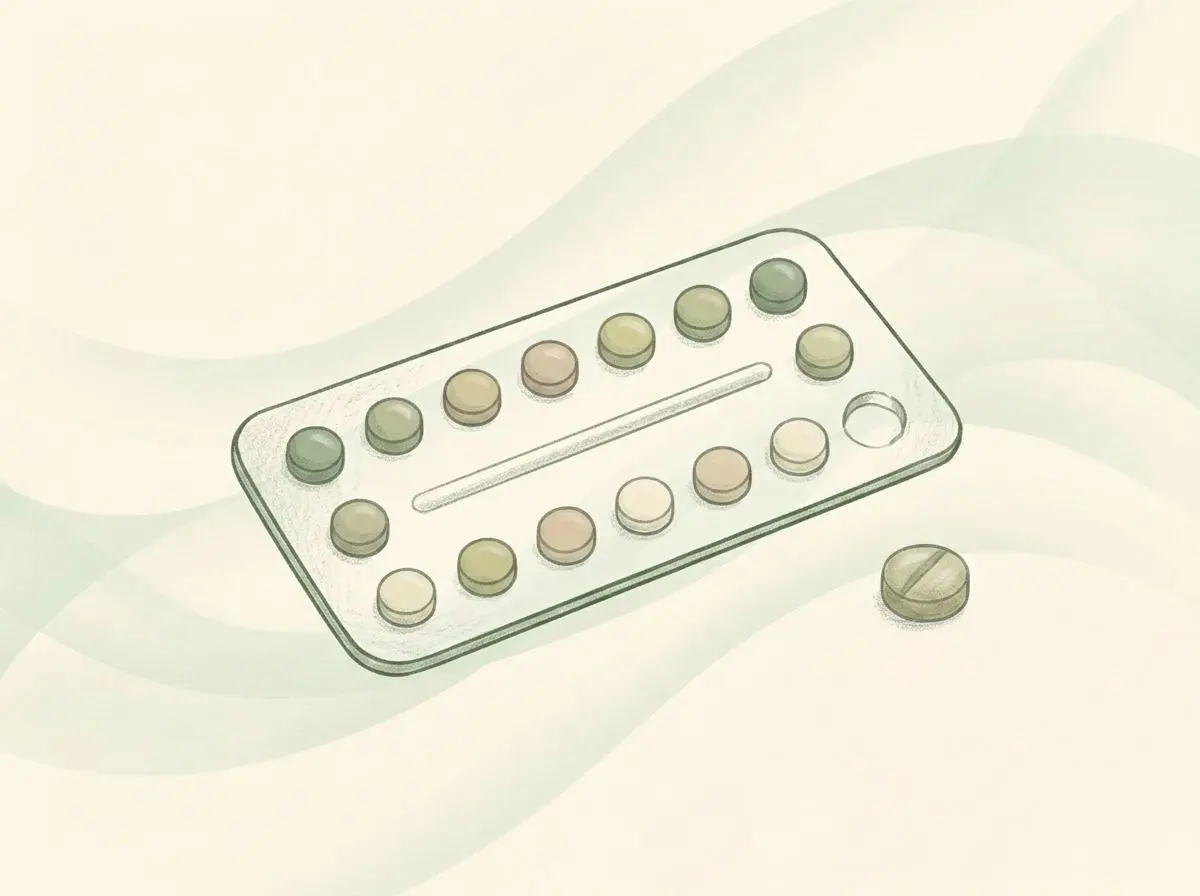
PillNo non-hormonal birth control pill is FDA-approved in the US. One exists in India (ormeloxifene), and non-hormonal male pills are in clinical trials.
Last updated: July 17, 2026

Effective: over 90 out of 100 people successfully prevent pregnancy per year.
Specific branded items that use this method. Compare products for pricing, availability, and manufacturer details.
Efficacy data, safety profile, regulatory status, and research evidence for this method class.
Effective: over 90 out of 100 people successfully prevent pregnancy per year.
Phase III trials in India reported a method-failure Pearl Index of 1.83 to 4.2 per 100 woman-years (98% to 96% perfect-use efficacy). Actual-use Pearl Index including user failures was about 9 per 100 woman-years (91% typical-use efficacy). Data comes from Indian trials; no US trials exist.
Not available in the US. In India, Saheli costs roughly Rs. 2-3 per tablet (about $0.03-0.04). Distributed free under the brand name Chhaya at government health facilities.
Ormeloxifene (centchroman) is a selective estrogen receptor modulator (SERM) that prevents pregnancy by inhibiting implantation of a fertilized egg in the endometrium. It does not suppress ovulation and does not contain estrogen or progestin. It is not FDA-approved in the US.
Included in India's National Family Welfare Programme since 1995
View GuidelineEvery FDA-approved birth control pill in the United States contains hormones. Combined pills have estrogen and progestin. Progestin-only pills (including Opill, approved for over-the-counter sale in 2023) contain a synthetic progestin. No oral contraceptive without hormones has ever been submitted to or approved by the FDA.
The closest thing to a non-hormonal birth control pill is ormeloxifene, a SERM that the Indian government approved for contraception in 1990. It is not available in the US, and no company has publicly announced plans to seek FDA approval for it.
Ormeloxifene, also called centchroman, is a non-steroidal selective estrogen receptor modulator. It was developed by India’s Central Drug Research Institute (CSIR-CDRI) and approved by Indian regulators in 1990. It prevents pregnancy by inhibiting implantation of a fertilized egg in the uterine lining. It does not suppress ovulation, does not contain estrogen or progestin, and does not interfere with the hypothalamic-pituitary-ovarian axis.
The dosing schedule is 30 mg twice weekly for the first 12 weeks, then once weekly after that. Phase III trials in India reported a method-failure Pearl Index of 1.83 to 4.2 per 100 woman-years, which corresponds to about 96% to 98% perfect-use efficacy. Actual-use failure rates including user error were higher, with a Pearl Index around 9 per 100 woman-years (about 91% typical-use efficacy).
It is marketed in India under the brand names Saheli, Saheli Plus, Novex, and Novex-DS by HLL Lifecare Limited, a government enterprise. Since 2016, the Indian government has also distributed it free of cost at public health facilities under the brand name Chhaya. Torrent Pharmaceuticals sells the same molecule as Sevista for dysfunctional uterine bleeding, a separate indication.
The most common side effect is menstrual irregularity, reported by about 8% to 12% of users in clinical studies. Other reported side effects include headache, nausea, abdominal discomfort, and breast tenderness. Contraindications include polycystic ovarian disease, liver or kidney impairment, cervical hyperplasia, and pregnancy.
Two non-hormonal male contraceptive pills are in clinical trials in the US. Neither is available yet.
YCT-529, developed by YourChoice Therapeutics, blocks the retinoic acid receptor alpha, a protein that sperm development depends on. It does not affect testosterone. A Phase 1a safety study in 16 healthy men completed in 2024 and found the drug was well tolerated with no hormonal side effects. A Phase 1b/2a repeat-dose study is recruiting. Animal studies showed 99% contraceptive efficacy, with fertility returning after the drug was stopped.
NLS-133, developed by NEXT Life Sciences, is an on-demand pill combining two existing FDA-approved drugs to temporarily reduce semen volume and sperm count. A Phase 2a trial is underway. The active ingredients have not been publicly disclosed.
Both are investigational. No timeline for FDA approval has been announced.
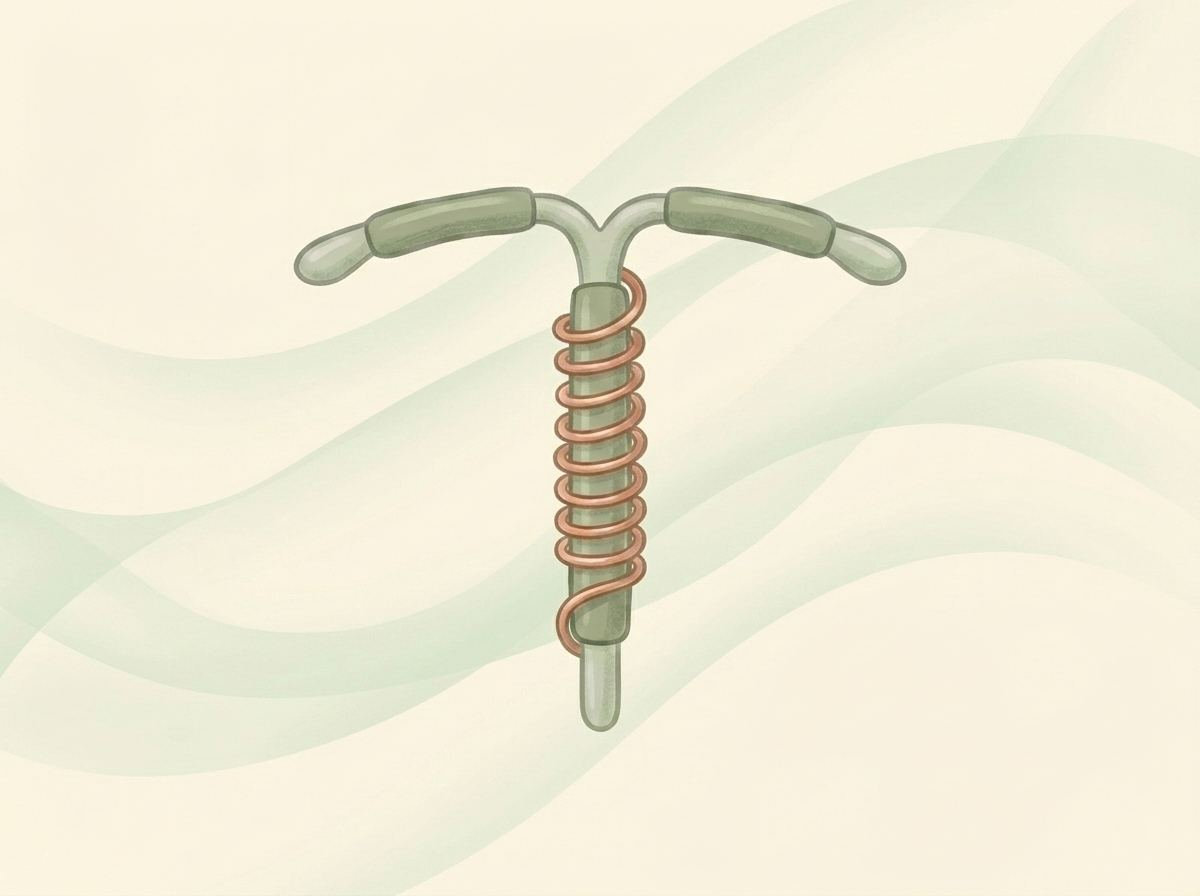
If you want non-hormonal birth control in the US, the available options are not pills. They include the copper IUD (Paragard, Miudella), vaginal pH modulator gel (Phexxi), barrier methods (condoms, diaphragm, cervical cap, sponge, spermicide), fertility awareness apps, and permanent procedures (sterilization, vasectomy).