Over-the-Counter
Barrier Method

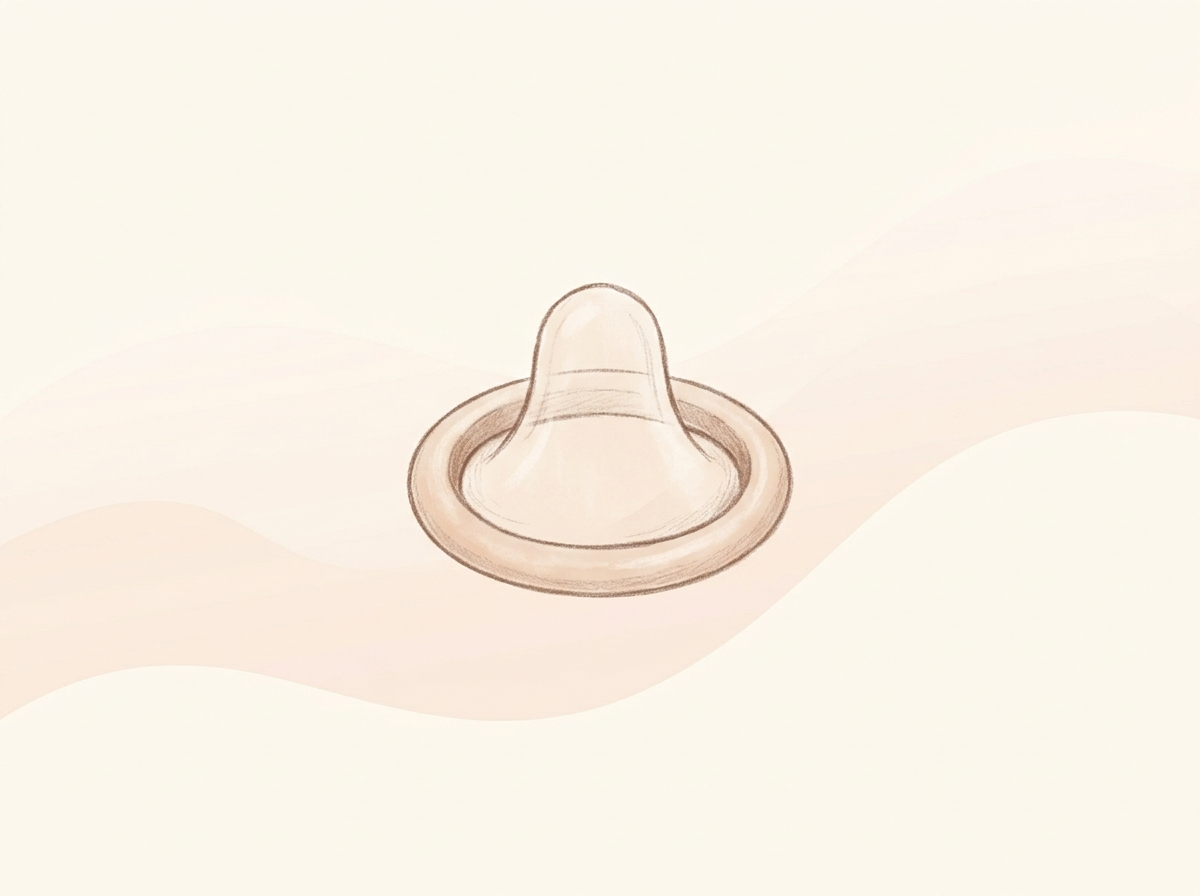
Condom

The only reversible non-hormonal male contraception available now, and the only method that protects against STIs.

Last updated: July 15, 2026

Condom
Method at a Glance
Efficacy87%typical use
DurationSingle use
Cost$0.5–$3/per-act
ReversibilityReversible
STI ProtectionYes
ProviderNone (over-the-counter)

Moderately effective: over 80 out of 100 people successfully prevent pregnancy per year.

Clinical Reference

Full clinical details

Efficacy data, safety profile, regulatory status, and research evidence for this method class.

Efficacy Profile
87%(Perf: 98%)

Moderately effective: over 80 out of 100 people successfully prevent pregnancy per year.

Typical use failure rate 13%, perfect use failure rate 2% per CDC.

Cost & Insurance
$0.5–$3/per-act

Free at many health clinics; bulk packs reduce per-unit cost

Insurance CoverageVaries
Duration & Reversibility
Typical LifespanSingle use
Reversibility
Reversible
STI ProtectionProtects
How It Works
Biological Mechanism

A physical sheath worn over the penis that blocks semen from entering the vagina and reduces skin-to-skin contact that transmits STIs.

Regulatory Details
FDA Regulatory StatusOver-the-Counter
Prescription RequiredOTC
Provider TypeNone (over-the-counter)
Supporting Your Body & What to Expect
  • Temporary loss of sensitivity
  • Rare local irritation from latex or lubricants
Safety & Suitability
  • Known allergy to latex (use polyisoprene or polyurethane instead)
Clinical Guidelines
CDC

U.S. MEC Category 1 (no restriction); only method that protects against STIs

View Guideline
WHO

Essential method for dual protection (pregnancy and STI)

View Guideline
Editorial Curation

Clinical Commentary & Context

How it works

Condoms are the only reversible non-hormonal birth control method available for men. They are sheaths worn over the penis during sex that block semen from entering the vagina and reduce skin-to-skin contact, which lowers the risk of sexually transmitted infections.

How well it works

With perfect use, condoms are 98% effective at preventing pregnancy. Typical use is about 87% because of breakage, slippage, or inconsistent use. Latex is the most common material, but polyisoprene and polyurethane options work for people with latex allergies. Lambskin condoms prevent pregnancy but do not block viruses like HIV.

Where to get it

You can buy condoms over the counter at pharmacies, retail stores, or online. Many health clinics give them away free. Until new male contraceptive methods complete clinical trials, condoms remain the only reversible non-hormonal option for men.