FDA Approved
Laparoscopic Tubal Clip

Filshie Clip System

A titanium tubal occlusion clip with a silicone lining, applied during laparoscopic sterilization. FDA-approved since 1996.

Last updated:

Method
Female Sterilization
Delivery ChannelIn-Person Procedure
FC
Efficacy Profile
99.7%(Perf: 99.7%)

Highly reliable: over 99 out of 100 people successfully prevent pregnancy per year.

10-year cumulative pregnancy rate of 9.8 per 1000 women (including self-reported), or 2.8 per 1000 for verified pregnancies. An Australian study of 30,000 procedures found a failure rate of 2 to 3 per 1000 operations.

Cost & Insurance
$0–$6000/one-time

Mandated 100% coverage under ACA for commercial insurance. Device cost is bundled into the surgical procedure cost.

Insurance CoverageUsually
Duration & Reversibility
Typical LifespanPermanent
Reversibility
Permanent
STI ProtectionNo
How It Works
Active CompoundTitanium with silicone rubber lining
Biological Mechanism

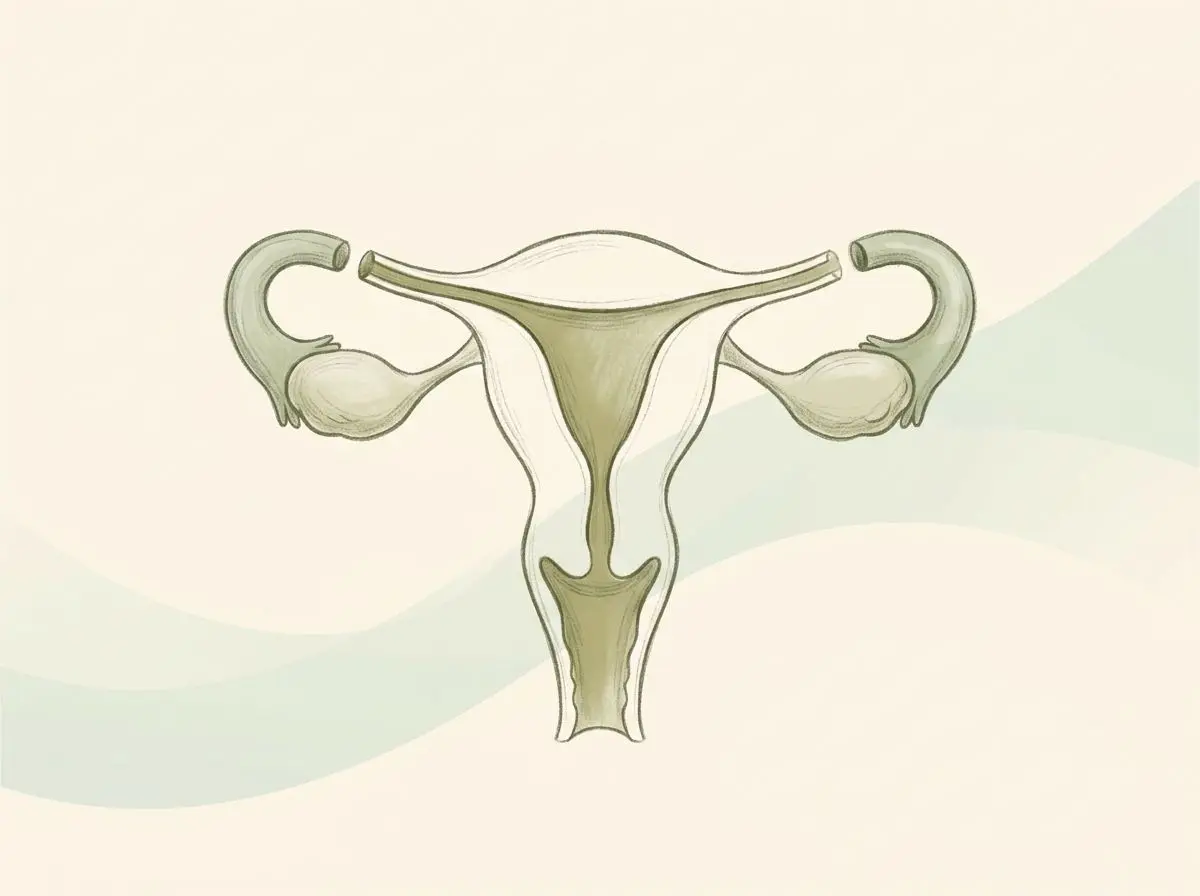
A titanium clip with a silicone rubber lining is applied across each fallopian tube during laparoscopy. The clip constricts and occludes the tube, preventing sperm from reaching the egg.

Regulatory Details
FDA Regulatory StatusFDA Approved
FDA Approval Date1996-09-05
ManufacturerFemcare Ltd. (UK)
Supporting Your Body & What to Expect
  • Surgical risks (bleeding, infection, organ damage)
  • Anesthesia side effects
  • Clip migration (rare)
  • Tubal transection (rare)
  • Ectopic pregnancy if failure occurs
Safety & Suitability
  • Current pregnancy
  • Active pelvic infection(Ongoing pelvic or vaginal infections)
  • Uterine or tubal malignancy
  • Medical instability for general anesthesia or laparoscopy
  • Uncertainty about future fertility desires
Editorial Curation

Clinical Commentary & Context

What it is

The Filshie Clip is a titanium clip with a silicone rubber lining that a surgeon applies across each fallopian tube during laparoscopic sterilization. The clip crushes and occludes the tube, blocking sperm from reaching eggs. Femcare, a UK-based medical device company, manufactures it. The FDA approved it through the premarket approval (PMA) process in September 1996 (P920046), and it remains actively marketed.

How well it works

The Filshie Clip has the lowest failure rate among tubal occlusion clips. A 10-year follow-up study found a cumulative pregnancy rate of 9.8 per 1000 women including self-reported pregnancies, or 2.8 per 1000 for verified pregnancies (DOI 10.1089/whr.2021.0017). An Australian study of 30,000 procedures reported a failure rate of 2 to 3 per 1000 operations. A randomized trial comparing Filshie clips to Hulka clips in 2126 women found 12-month pregnancy probabilities of 1.1 per 1000 for Filshie versus 6.9 per 1000 for Hulka (PMID 11137070). The procedure is permanent and intended for people who do not want future pregnancies.

Where to get it

A gynecologist or general surgeon performs the procedure in an operating room under general or regional anesthesia. They insert the clips through small laparoscopic incisions. Insurance in the United States must cover sterilization at no cost under the Affordable Care Act. The Filshie Clip is one of several tubal occlusion methods; others include the Hulka clip, Falope-Ring, and bipolar cauterization. Your surgeon’s training and preference usually determine which method they use.