Established Procedure
Surgical Procedure

Female Sterilization

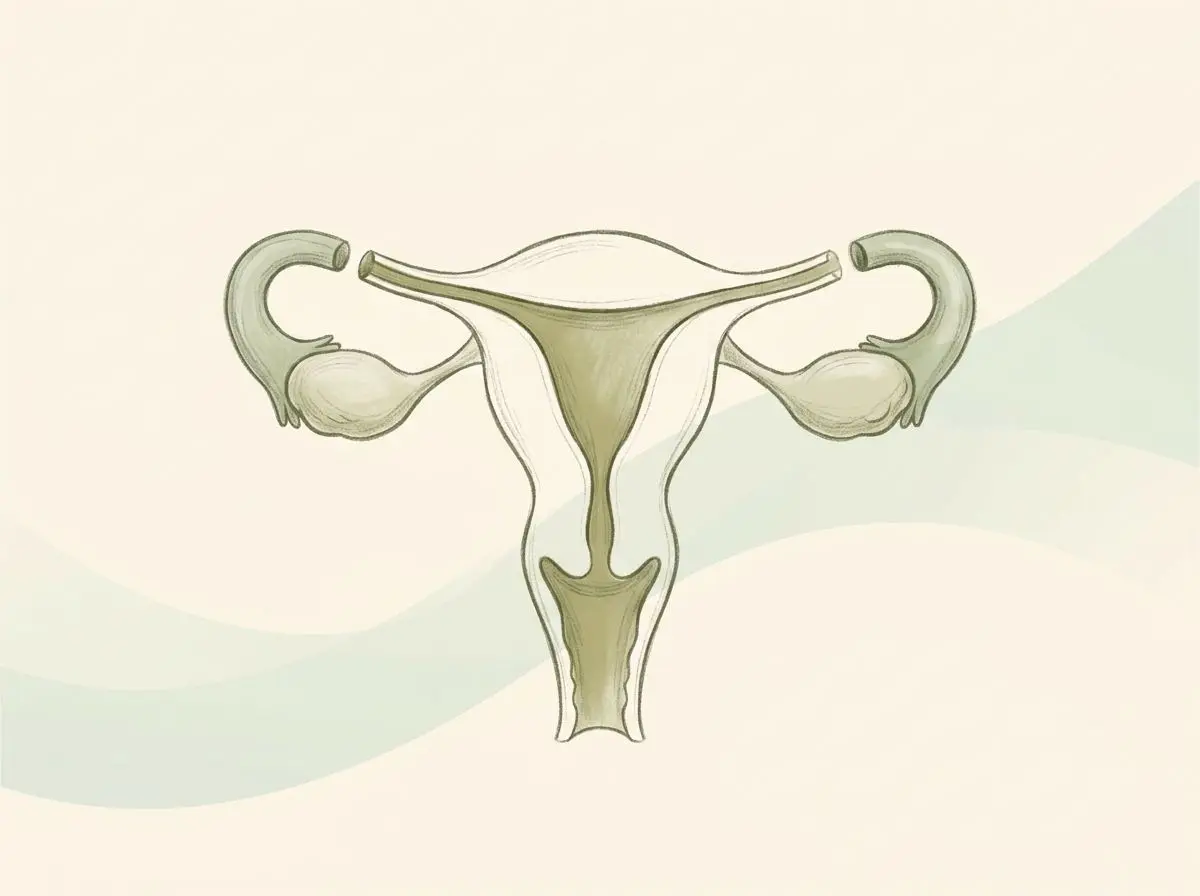
A permanent surgical procedure that blocks or removes the fallopian tubes to prevent pregnancy.

Last verified: · Updated:

Method at a Glance

Effectiveness

99 out of 100 people successfully prevent pregnancy in a year.

Typical use effectiveness rate.

DurationPermanent
Cost$0–$6,000
ReversibilityPermanent
STI ProtectionNo
How you get itIn-Person Procedure · Prescription required
Available Products

1 product in this category

Specific branded items that use this method. Compare manufacturer details, active ingredients, and regulatory status.

Providers

550 providers in this category

Clinics and telehealth services in our directory that offer this method.

The details

What the evidence says

How well it works, what to watch for, who should avoid it, and the studies behind it.

How well it works

99.5%(perfect use: 99.5%)

Most effective: over 99 out of 100 people successfully prevent pregnancy per year.

How was this measured?

Real-world 12-month pregnancy rate 0.5% (99.5% effective) per Guttmacher. The CREST prospective cohort study (Peterson HB et al., Am J Obstet Gynecol 1996, PMID 8623843, n=10,685) is the higher-quality underlying evidence. A conflicting newer finding from NEJM Evidence 2024 (PMID 39189861) reported a 2.9% 12-month failure rate using NSFG survey data, which is lower-quality evidence than CREST.

Cost & insurance

$0–$6,000

Covered at no cost by most non-grandfathered commercial insurance plans under the ACA contraceptive mandate (religious-employer and short-term-plan exceptions apply). Planned Parenthood cites a $0-$6,000 range including follow-up visits. Cash-pay outpatient laparoscopic $1,500-$8,000 (most $2,000-$6,000) including surgeon, facility, and anesthesia fees. Price varies by setting and location.

Insurance CoverageUsually

Duration & reversibility

Lasts forPermanent
Reversibility
Permanent
STI ProtectionNo

The science

How it works in the body

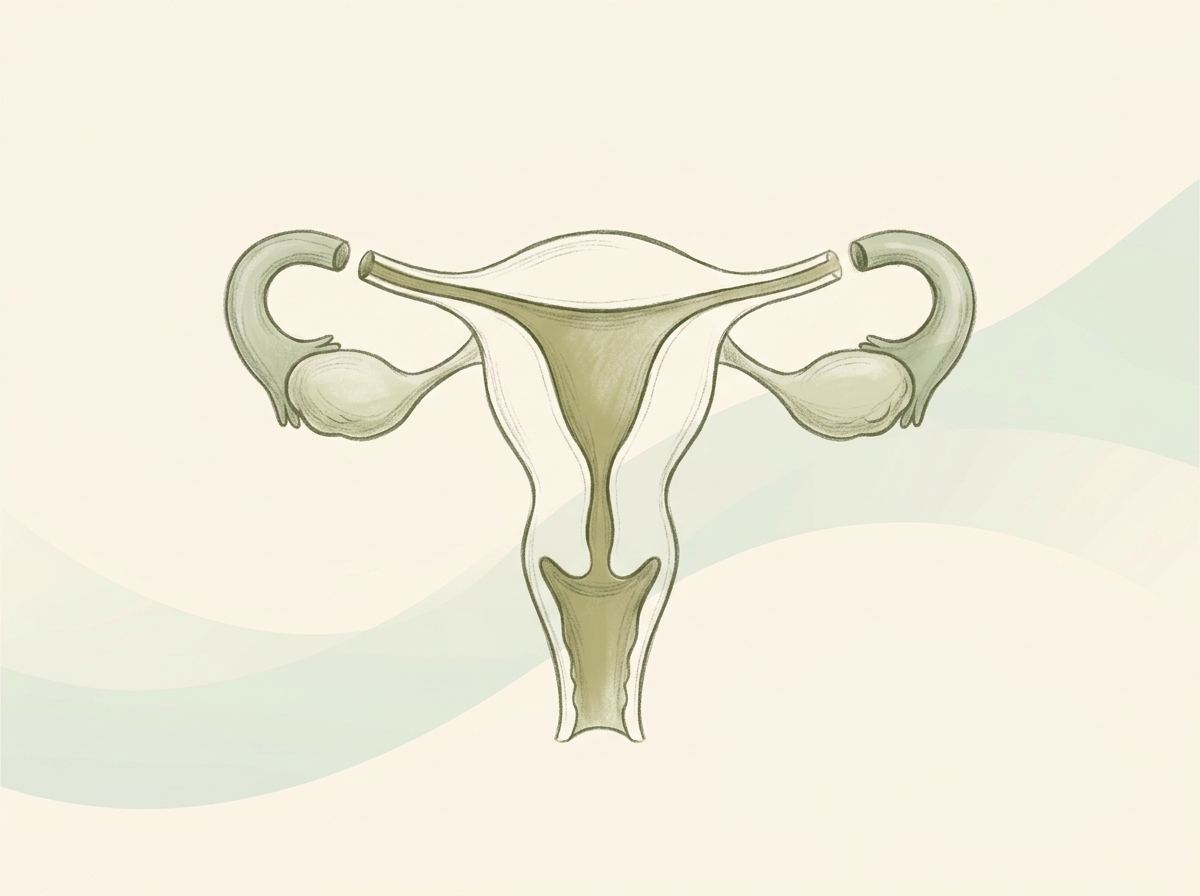
Surgical disruption (clipping, banding, cauterization, or complete removal) of the fallopian tubes prevents eggs from reaching the uterus and sperm from reaching the egg.

Regulatory status & access

StatusEstablished Procedure
Used forBirth control
How you get itIn-Person Procedure · Prescription required
PrescriptionRequired

Side effects

  • Surgical risks (bleeding, infection, organ damage)
  • Anesthesia side effects
  • Ectopic pregnancy (small but serious risk if failure occurs)

Who shouldn't use this

  • Medical instability for general anesthesia or laparoscopy(Medical conditions that make surgery or this method unsuitable)
  • Uncertainty about future fertility desires(A personal reason to avoid a permanent method if you may want children later)

Clinical guidelines

CDC

U.S. MEC - no medical conditions absolutely restrict eligibility (except known allergy or hypersensitivity to materials used); permanent method

View Guideline
The full picture

What to know about Female Sterilization

What it is

Female sterilization is a permanent surgical procedure that blocks or removes the fallopian tubes. Surgeons usually perform it through laparoscopy by blocking the tubes with rings, clips, or heat, or by removing them completely. Removing the tubes completely is called a bilateral salpingectomy and may lower ovarian cancer risk.

How well it works

The procedure is over 99% effective and intended to be permanent. It does not affect hormone cycles, ovulation, or periods. Because it is permanent, it is intended for people who do not want to get pregnant in the future. Reversal surgery is possible but does not always work.

Cost and coverage

Most US insurance plans must cover female sterilization at no cost under the Affordable Care Act, though grandfathered plans, certain religious employers, and short-term plans are exempt. The procedure requires an in-person consultation and surgery with an OB-GYN or general surgeon. Check our provider directory for clinics near you that offer sterilization procedures.