In Trials
Oral Tablet NL
NLS-133
An investigational non-hormonal on-demand male contraceptive pill, in Phase 2a trials. Designed to reduce semen volume and sperm count temporarily.
Male Birth Control TrialsNon-hormonal male contraceptive pills in clinical or preclinical development that target sperm production or function.
Last verified:

Specific branded items that use this method. Compare manufacturer details, active ingredients, and regulatory status.
An investigational non-hormonal on-demand male contraceptive pill, in Phase 2a trials. Designed to reduce semen volume and sperm count temporarily.
Male Birth Control TrialsAn investigational, non-hormonal male contraceptive pill in Phase 1b/2a clinical trials.
Male Birth Control TrialsAn investigational non-hormonal on-demand male contraceptive pill designed to immobilize sperm within hours. In preclinical development with human trials planned.
Male Birth Control TrialsHow well it works, what to watch for, who should avoid it, and the studies behind it.
In clinical trials; efficacy data not yet available.
Investigational. No efficacy data from human trials yet. The trial registry IDs are below.
Not yet available outside clinical trials; pricing not established
Non-hormonal male contraceptive pills target sperm production, motility, or fertilization through different biological pathways without affecting testosterone. Approaches include retinoic acid receptor antagonists and other compounds that disrupt sperm development or function.
Investigational male contraceptive pills are drugs in clinical or preclinical development that target sperm production, motility, or fertilization. Unlike hormonal male contraceptives in development, these pills do not affect testosterone or other hormones. They work through different biological pathways, such as blocking retinoic acid receptors needed for sperm production.
Several non-hormonal compounds are in early clinical trials, including retinoic acid receptor-alpha antagonists. A first-in-human Phase 1a study of YCT-529 reported safety and pharmacokinetics, and a Phase 1b/2a repeat-dose study is recruiting. A Phase 2a study of NLS-133 is also recruiting. These approaches target receptors or proteins sperm development needs without affecting testosterone. Other compounds are still in earlier research.
None of these pills are FDA-approved or available by prescription; enrollment in a clinical trial is required to access them. Check ClinicalTrials.gov or groups like Male Contraceptive Initiative for current status and enrollment information.
The research that backs Male Birth Control Trials, with links to the public trial records.
More non-hormonal methods in this category, ranked by effectiveness.
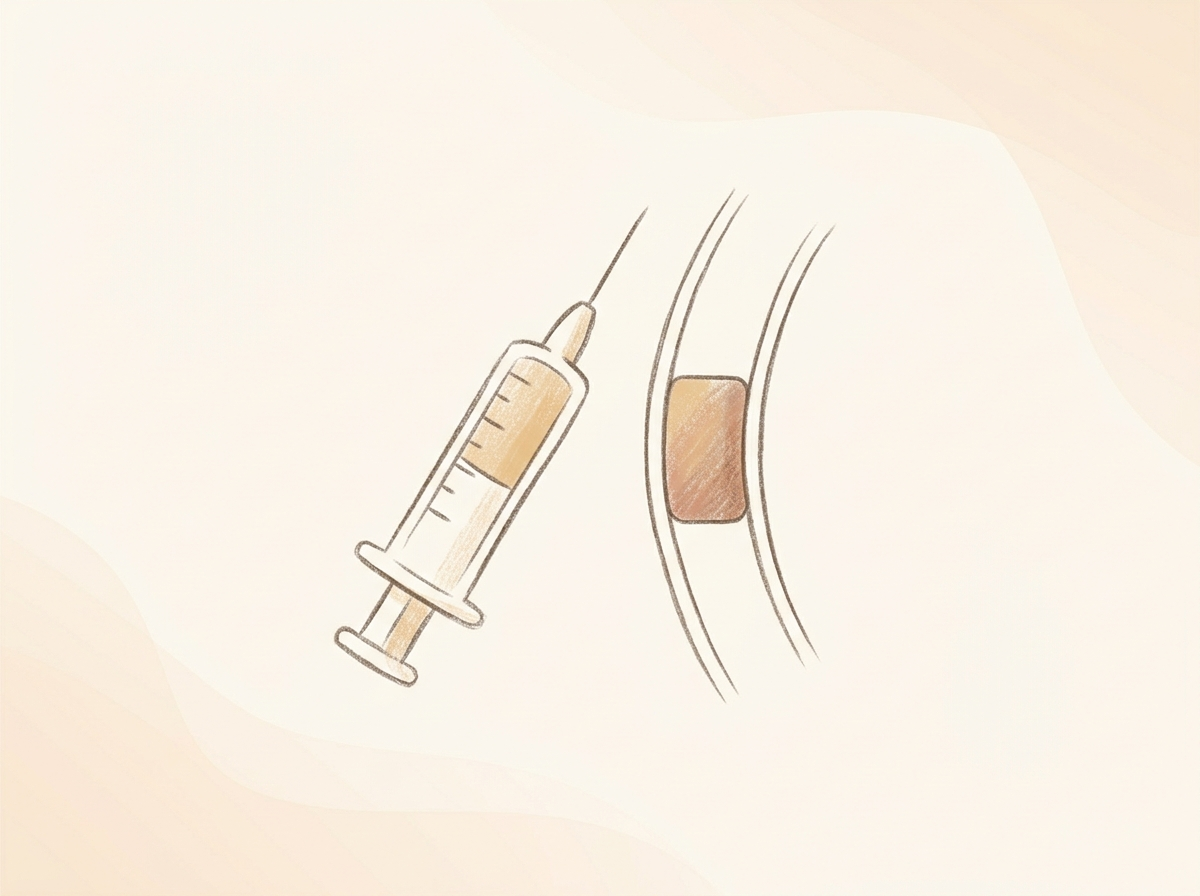
A long-acting male contraceptive in development (vas-occlusion hydrogel) that blocks the vas deferens with an injectable polymer gel.
3 products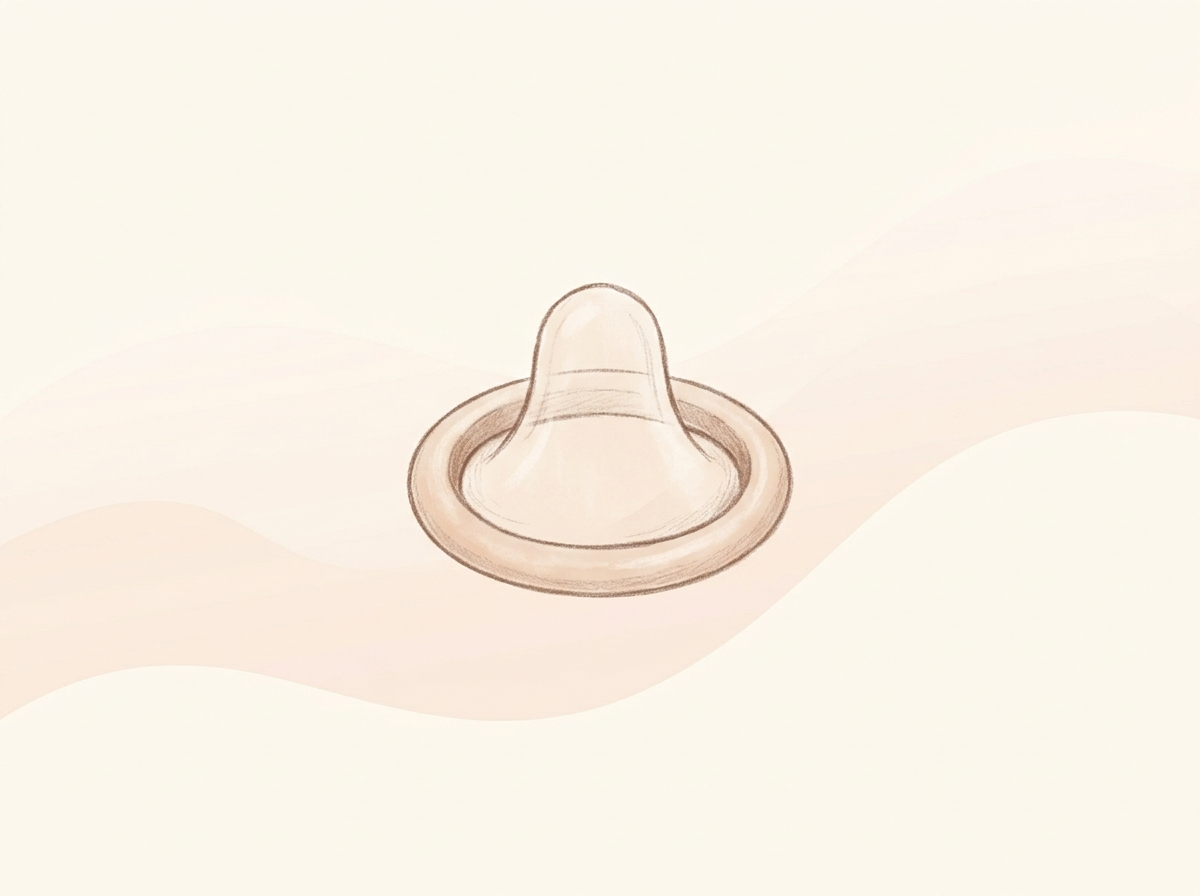
A reversible non-hormonal male contraception that also reduces STI transmission risk.
4 products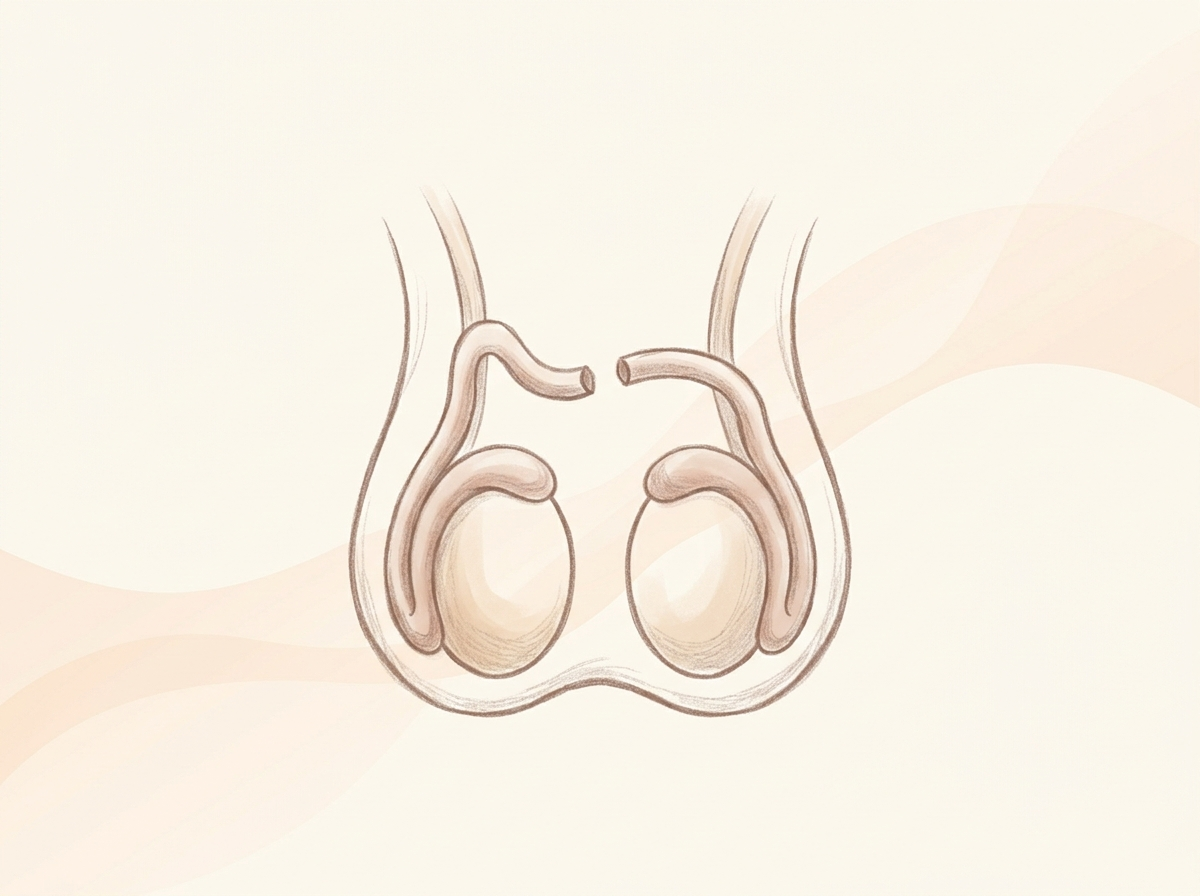
A permanent outpatient procedure that blocks the vas deferens so sperm cannot enter the semen.