In Trials
Injectable Hydrogel AH
ADAM Hydrogel
A long-acting, non-hormonal hydrogel implant for male contraception; Phase 1 is completed and Phase 2 is approved to begin in Australia.
Male Contraceptive GelA long-acting male contraceptive in development (vas-occlusion hydrogel) that blocks the vas deferens with an injectable polymer gel.
Last verified:
Specific branded items that use this method. Compare manufacturer details, active ingredients, and regulatory status.
A long-acting, non-hormonal hydrogel implant for male contraception; Phase 1 is completed and Phase 2 is approved to begin in Australia.
Male Contraceptive GelAn investigational polymer gel injected into the vas deferens; Phase 3 trials in India are completed and results have been published. Uses a styrene-maleic anhydride copolymer.
Male Contraceptive GelA hydrogel injected into the vas deferens that blocks sperm; now in Phase 2 human clinical trials as Plan A by NEXT Life Sciences.
Male Contraceptive GelHow well it works, what to watch for, who should avoid it, and the studies behind it.
In clinical trials; efficacy data not yet available.
An SMA copolymer gel Phase 3 in India: a 303-man trial was published in Andrology (Longdom Publishing) in 2023 and a limited Phase III trial (139 men, PMID 31571633) reported 82.7% azoospermia at first semen exam. A first-in-human safety/feasibility study (NCT05134428) is completed and a Phase 2 occlusion/reversal feasibility study (NCT07361120) is recruiting. None of these is available as a marketed product yet.
Not yet available outside clinical trials; pricing not established
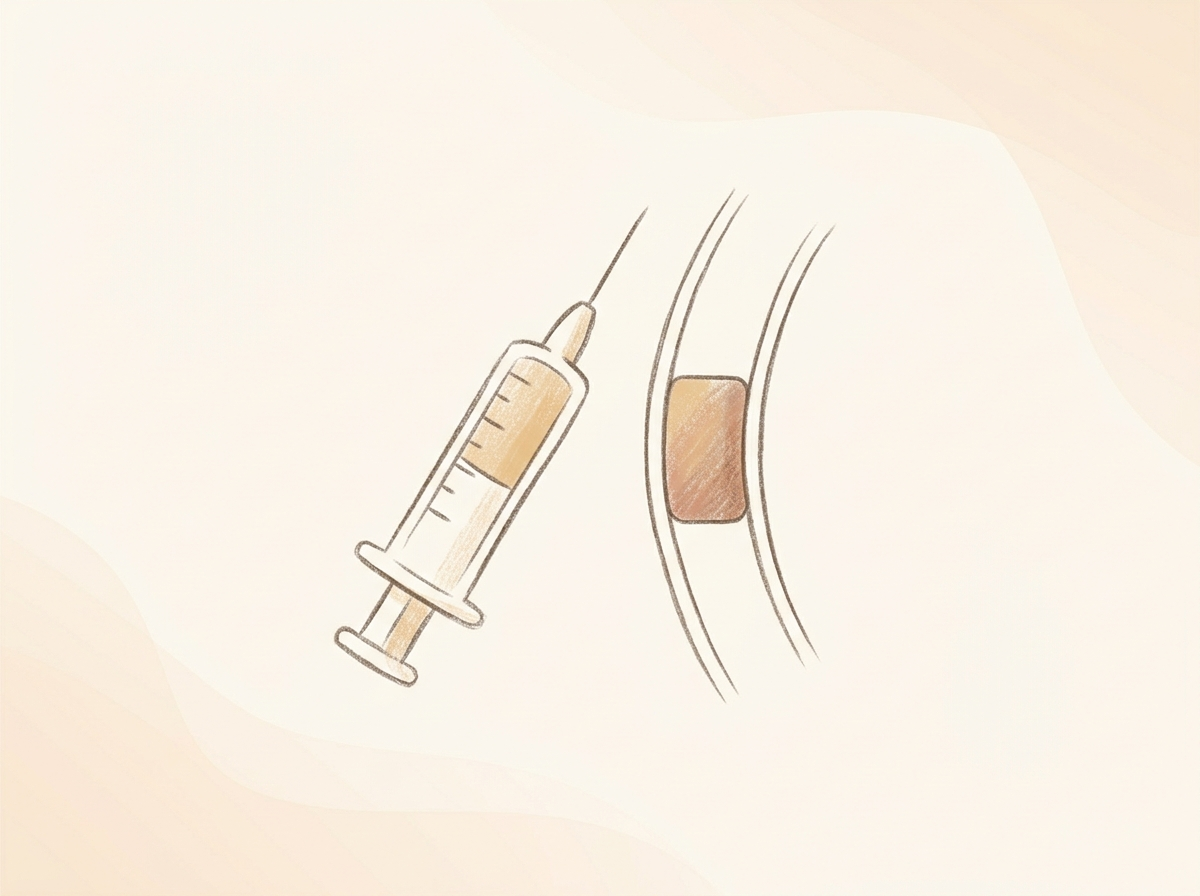
A clinician injects a polymer gel into the vas deferens. The gel blocks sperm from passing through while allowing other fluids to pass. The goal is a second injection to flush the gel for reversal.
Vas-occlusion hydrogels are long-acting male contraceptives in development. A clinician injects a polymer gel into the vas deferens, where it blocks sperm from passing through while allowing other fluids to pass. The goal is a second injection to flush the gel out for reversal, but long-term human reversal data are still limited.
Several polymer and hydrogel formulations are in development. An SMA copolymer gel completed Phase 3 trials in India; an expanded Phase III trial of 303 men was published in Andrology (Longdom Publishing) in 2023, and a limited Phase III trial of 139 men reported 82.7% azoospermia at first semen exam. A first-in-human safety/feasibility study is completed, and a Phase 2 occlusion/reversal study is recruiting. Neither product is available outside clinical trials.
The procedure is less invasive than vasectomy and is intended to be reversible. Common temporary side effects include swelling or discomfort at the injection site. Long-term safety data are still being collected.
You can follow trial progress on ClinicalTrials.gov or through organizations like Male Contraceptive Initiative. When approved, urologists or trained clinicians would perform the procedure.
The research that backs Male Contraceptive Gel, with links to the public trial records.
More non-hormonal methods in this category, ranked by effectiveness.
Non-hormonal male contraceptive pills in clinical or preclinical development that target sperm production or function.
3 products
A reversible non-hormonal male contraception that also reduces STI transmission risk.
4 products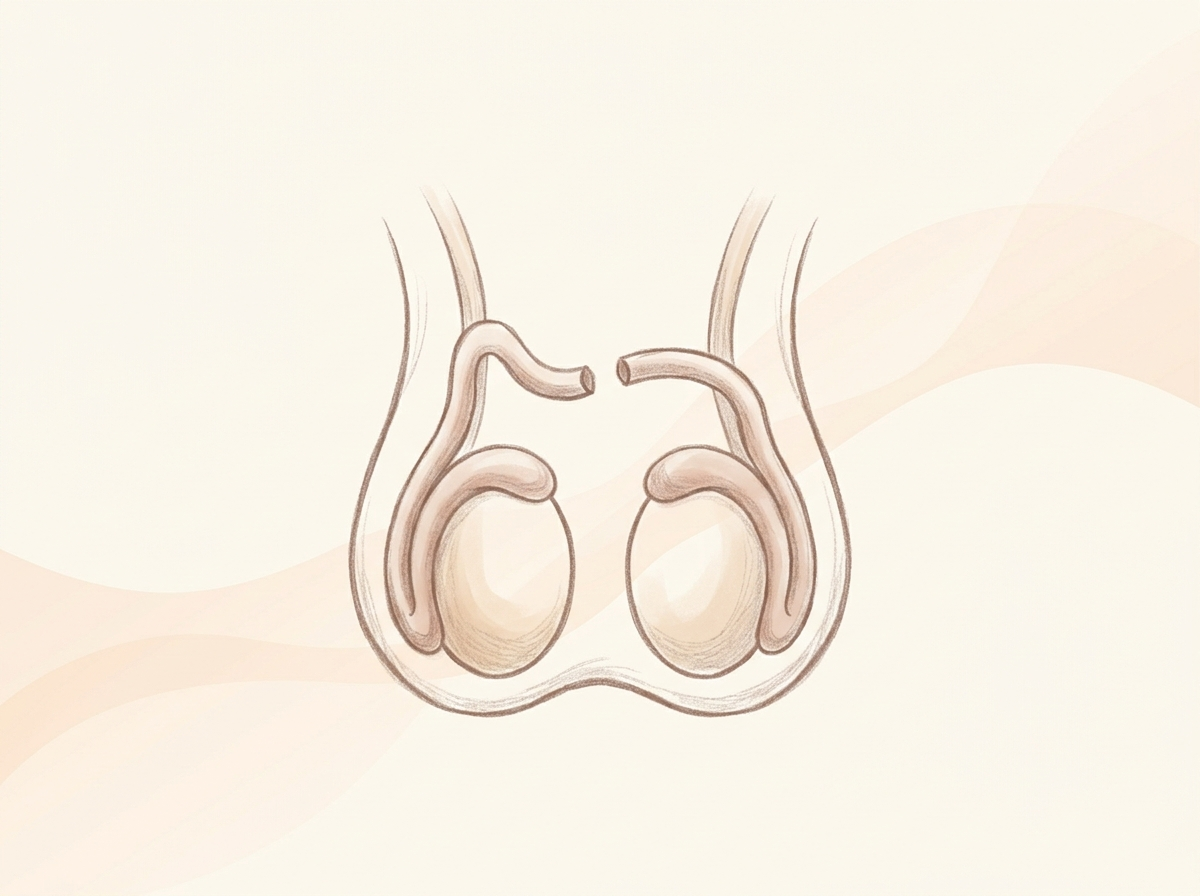
A permanent outpatient procedure that blocks the vas deferens so sperm cannot enter the semen.