Compare
Copper IUD vs Withdrawal
A side-by-side comparison of two birth control methods — efficacy, cost, how they work, and who shouldn't use them.
Last verified Updated
Side-by-side comparison
- Copper IUD A small copper device placed in the uterus that works for up to 10 years and is over 99% effective.
- Withdrawal The man withdraws his penis from the vagina before ejaculation to reduce the chance of sperm reaching the egg.
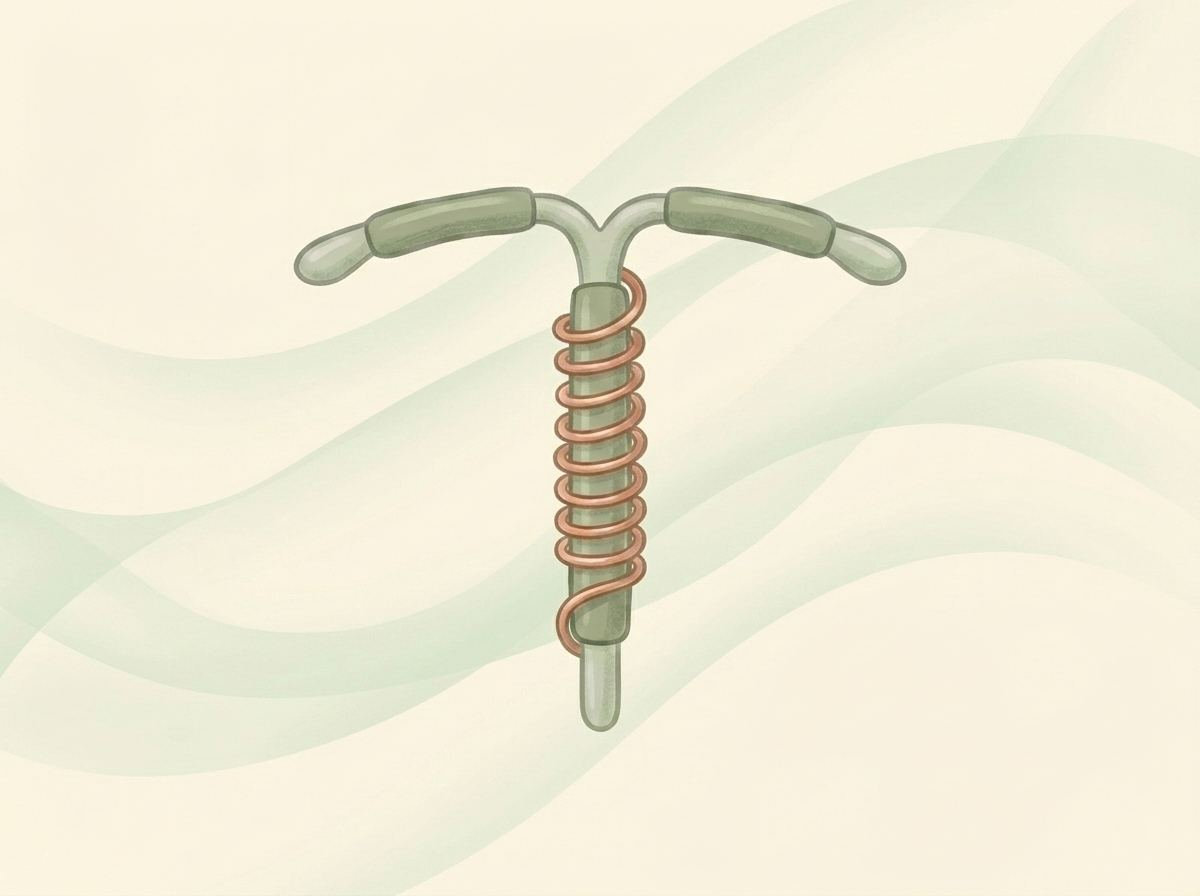
| Method | Copper IUD A small copper device placed in the uterus that works for up to 10 years and is over 99% effective. | Withdrawal The man withdraws his penis from the vagina before ejaculation to reduce the chance of sperm reaching the egg. |
|---|---|---|
| Efficacy | Copper IUD 99.2% typical use Most effective: over 99 out of 100 people successfully prevent pregnancy per year. | Withdrawal 80% typical use Least effective: under 90 out of 100 people successfully prevent pregnancy per year. |
| Cost | Copper IUD $0–$1,167 Insurance: Usually | Withdrawal $0 |
| Duration | Copper IUD Up to 10 years | Withdrawal Per act |
| Reversibility | Copper IUD Reversible | Withdrawal Reversible |
| STI protection | Copper IUD No | Withdrawal No |
| How it works | Copper IUD Releases copper into the uterus, which interferes with sperm movement and fertilization and may prevent implantation. | Withdrawal The man withdraws his penis from the vagina before ejaculation to keep semen out of the vagina. Pre-ejaculate may contain some sperm. A 2024 pilot study found sperm in about 13% of pre-ejaculate samples, though roughly 75% of participants had no sperm in any sample. |
| Prescription | Copper IUD Required In-Person Procedure | Withdrawal Not required Self-Directed |
| Side effects | Copper IUD
| Withdrawal None reported |
| Who shouldn't use this | Copper IUD
| Withdrawal
|
Key differences
With typical use, 0.8 in 100 people using Copper IUD get pregnant in a year, vs 20 in 100 with Withdrawal (most effective vs least effective). How long it lasts: Copper IUD, up to 10 years; Withdrawal, per act. A prescription is needed for Copper IUD, not for Withdrawal. Copper IUD: costs $0–$1,167. Withdrawal: costs $0.