How it works
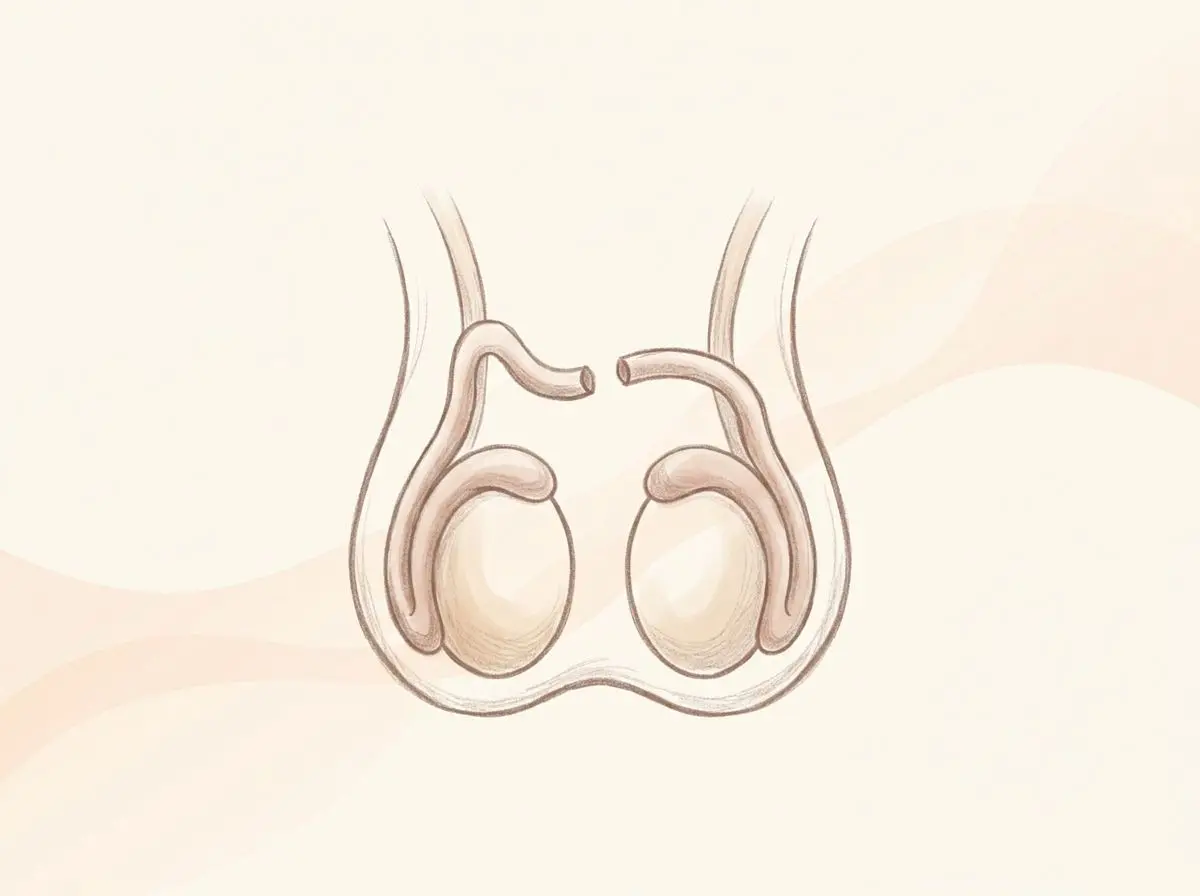
Vasectomy is a permanent outpatient procedure that cuts, seals, or blocks the vas deferens so sperm cannot enter the semen. The body absorbs the sperm, and the semen looks and feels the same as before. Vasectomy does not affect testosterone, sex drive, erections, or ejaculation volume.
How well it works
The procedure is done with local anesthesia, and an incision vasectomy takes about 20 minutes. Most people need to rest for a few days afterward, and some pain, bruising, or swelling is common. In the first year, vasectomy is 99.85% effective with typical use. It does not work right away: use another form of birth control until a semen analysis confirms there is no sperm, usually 8 to 16 weeks after the procedure. Even after that test, the AUA vasectomy guideline puts the risk of pregnancy at about 1 in 2,000.
Vasectomy is intended to be permanent. In the Vasovasostomy Study Group (Belker 1992), reversal surgery (vasovasostomy) restored sperm to the semen in 71 to 97% of men, depending on the time since vasectomy. Pregnancy rates were 76% for reversals within 3 years, 53% for 3 to 8 years, 44% for 9 to 14 years, and 30% for 15 or more years. Whether reversal works depends on how long ago the vasectomy was done, the type of vasectomy, the type of reversal procedure, and the surgeon’s skill. Reversal is complicated, can be expensive, and does not always work.
Long-term pain after vasectomy is possible. A 2020 meta-analysis estimated that post-vasectomy pain syndrome occurred in 5% of men, with similar rates after scalpel and no-scalpel vasectomy. The AUA guideline puts chronic scrotal pain that affects quality of life at 1 to 2% of men, and symptomatic hematoma or infection at 1 to 2%. If pain lasts, talk with a doctor or nurse about treatment.
Wellness & recovery care
Rest for a couple of days after the procedure. Wear snug, supportive underwear and use ice packs on and off for the first 24 hours to help with pain and swelling. Avoid hard physical work and exercise for one week. Over-the-counter pain medicine, such as ibuprofen, can help with pain and swelling.
Where to get it
A doctor performs vasectomy in an office, hospital, or clinic, usually as an outpatient procedure, and many Planned Parenthood health centers offer it. Check our provider directory for vasectomy providers near you.