What it is
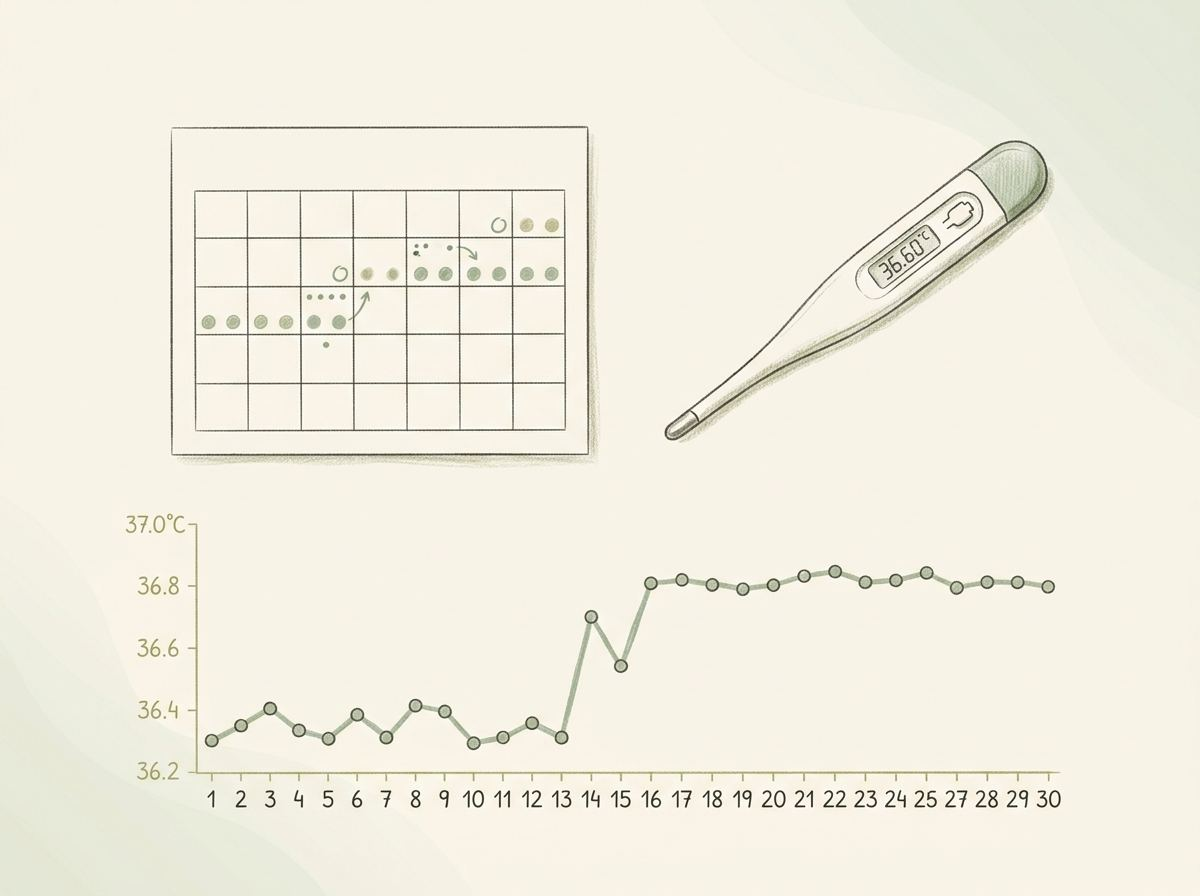
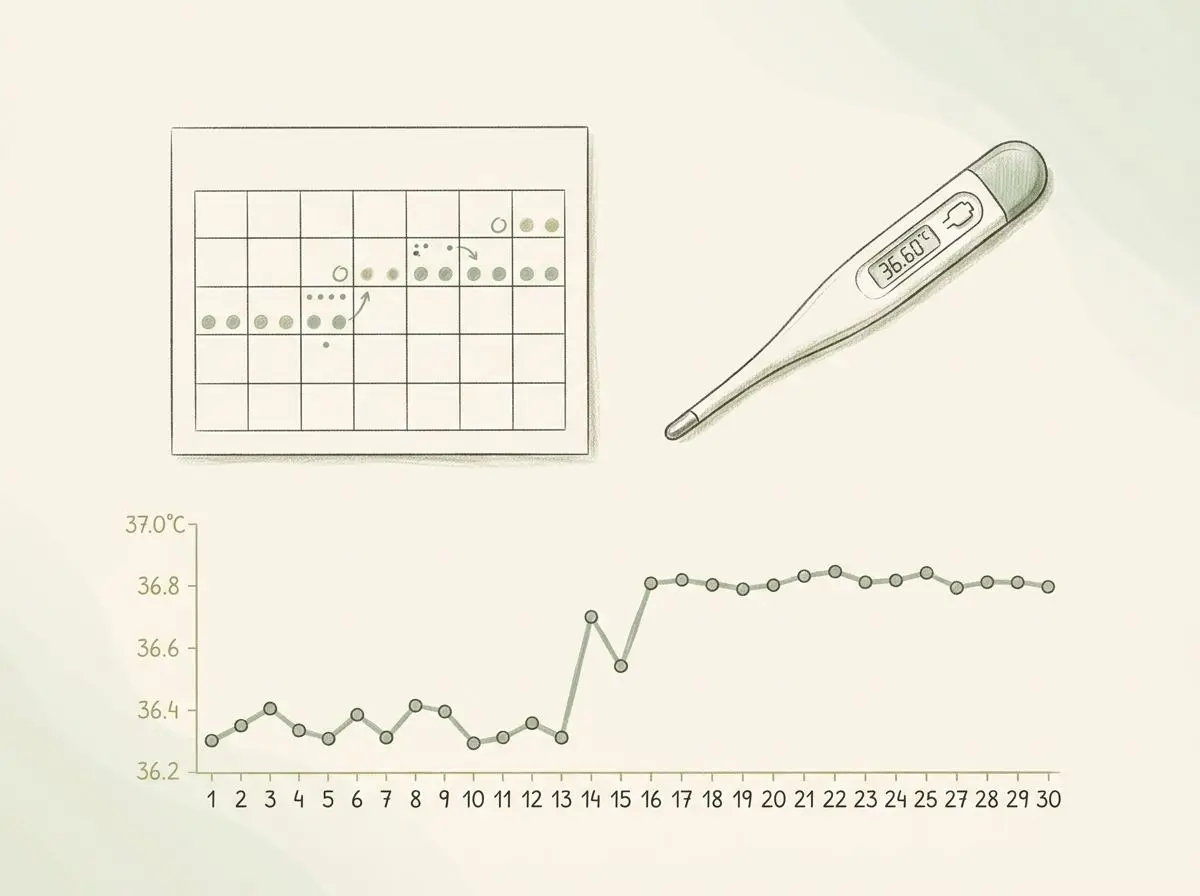
Fertility awareness methods (FAM) track body signs to identify the fertile window so you can avoid unprotected sex on those days. Signs include basal body temperature, cervical mucus, and cycle length. The symptothermal method combines several signs. One version, Sensiplan, is 99.6% effective with perfect use and 98% with typical use in the Guttmacher effectiveness table. Other methods in the same table, such as the Billings ovulation method, have typical-use failure rates as high as 34%.
How to use it
You record signs such as your basal body temperature, cervical mucus, and cycle dates each day, on a paper chart or in an app. FDA-cleared apps use the data you enter to flag high-risk days, when you avoid sex or use a barrier method. In a U.S. cohort study run by the app’s maker (Pearson 2021), Natural Cycles had a 7.2% chance of pregnancy over 13 cycles with typical use, or about 93% effective; the Guttmacher table lists a 10% typical-use failure rate for it. In the study behind its FDA clearance, Clue Birth Control had a typical-use Pearl Index of 5.2 and a perfect-use Pearl Index of 0.8 pregnancies per 100 women per year (FDA 510(k) summary). Calendar methods such as the Standard Days method have typical-use failure rates of 11% to 14%.
Where to get it
You do not need a prescription. FDA cleared Natural Cycles and Clue Birth Control for over-the-counter use, though some apps are only for people who meet set criteria, such as predictable 20 to 40 day cycles. Paper charts are available from Planned Parenthood health centers and family planning clinics, which can also teach the method. FAM is harder to use with irregular cycles, after childbirth, while breastfeeding, or in perimenopause. It does not protect against STIs. Check our provider directory for clinics near you that can help you get started.
Daily tracking
FAM depends on consistent daily tracking. Take your basal body temperature the same way, at the same time each morning, before you get out of bed. Too little sleep, alcohol, jet lag, illness, or stress can change the reading, so note these on your chart. CDC guidance says fever can make basal body temperature hard to interpret but does not affect cervical mucus.