Gabapentin for Hot FlashesvsVaginal Moisturizer
A side-by-side comparison of two menopause relief methods — efficacy, cost, how they work, and who shouldn't use them.
Side-by-side comparison
| Method | 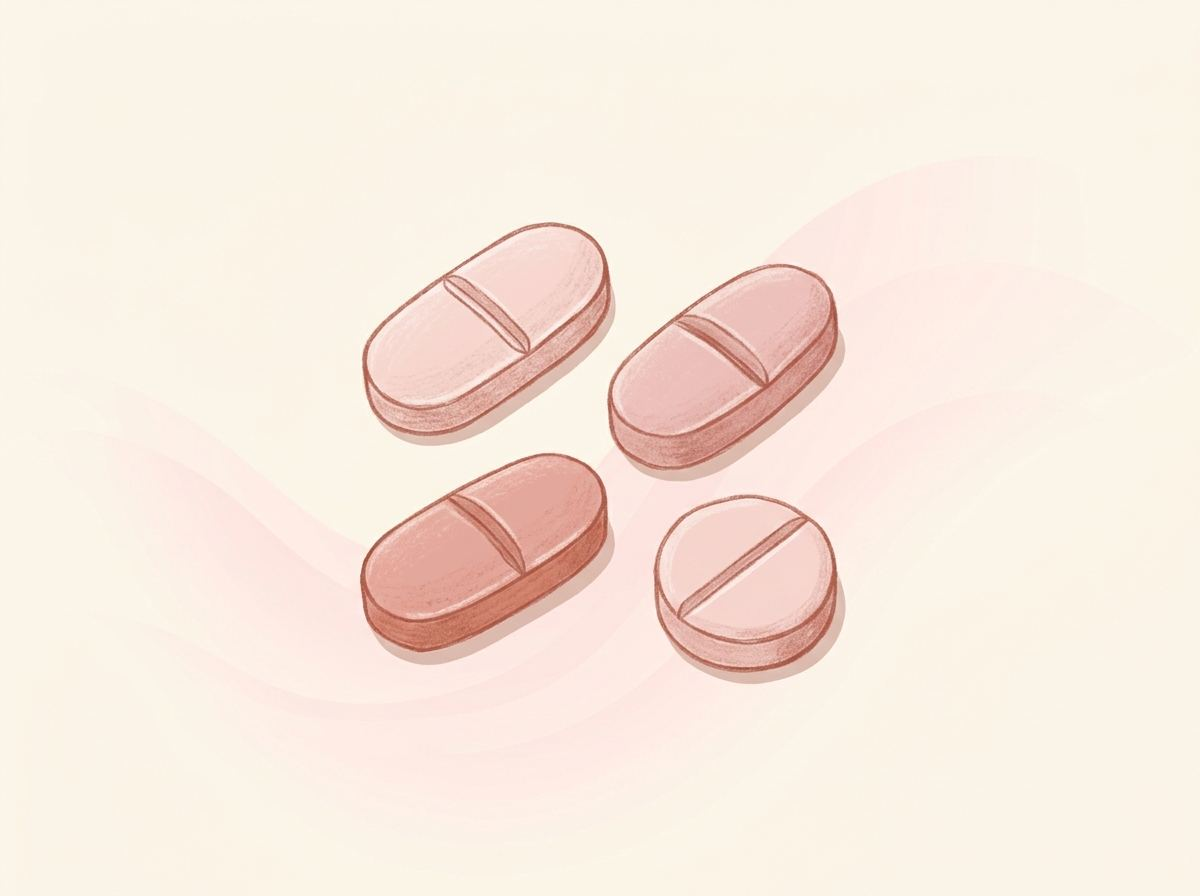 Gabapentin for Hot FlashesAn off-label gabapentin prescription that may reduce hot flashes. Pregabalin is a related gabapentinoid but is not recommended for hot flashes. |  Vaginal MoisturizerNon-hormonal gels and creams inserted regularly to hydrate vaginal tissue and ease dryness from menopause. |
|---|---|---|
| Efficacy | 45% reduction in hot flash frequency Around 45% reduction in hot flash frequency. | Recommended see details Recommended by the Menopause Society for symptom relief. |
| Cost | $4–$30 /monthly Insurance: Usually | $15–$30 /monthly Insurance: No |
| Duration | Daily pill (ongoing) | Regular use (every 2-3 days, ongoing) |
| Reversibility | Reversible | Reversible |
| STI Protection | No | No |
| How it works | Gabapentin binds to the alpha-2-delta subunit of voltage-gated calcium channels in the central nervous system, which may calm overactive temperature regulation and reduce hot flash frequency. Pregabalin binds the same target but NAMS 2023 does not recommend it for hot flashes. | Bioadhesive polymers (such as polycarbophil or hyaluronic acid) bind to vaginal tissue and retain water, hydrating and lubricating the vaginal mucosa. They lower vaginal pH toward premenopausal levels and are applied every 2 to 3 days, independent of sexual activity. |
| Prescription | Required Prescription required | OTC No prescription / OTC |
| Side effects |
|
|
| Who shouldn't use this |
|
|
Key differences
Gabapentin for Hot Flashes duration: Daily pill (ongoing). Vaginal Moisturizer duration: Regular use (every 2-3 days, ongoing). Gabapentin for Hot Flashes requires a prescription; Vaginal Moisturizer does not. Gabapentin for Hot Flashes: costs $4–$30 monthly. Vaginal Moisturizer: costs $15–$30 monthly.