What it is
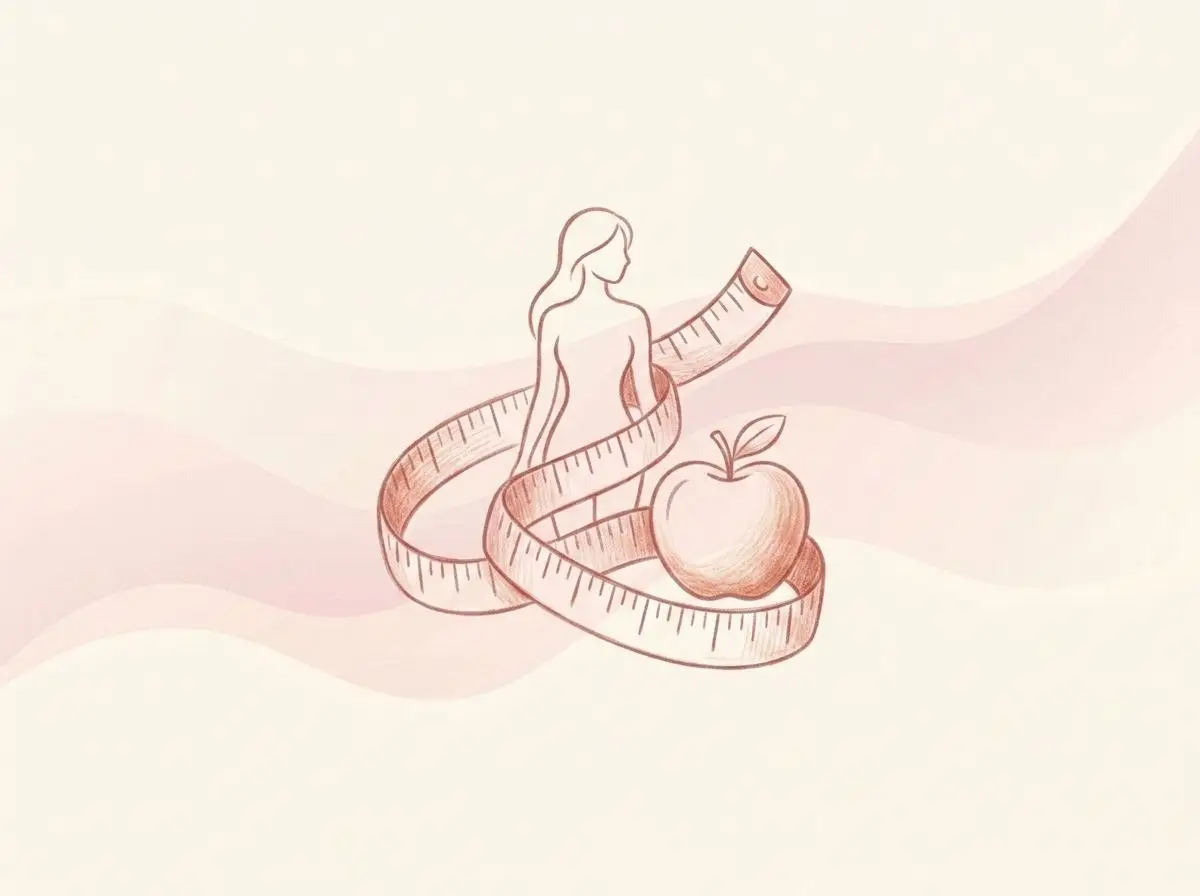
Behavioral weight loss means losing excess body fat through changes to diet and physical activity. Women who are overweight or obese are more likely to experience frequent and severe hot flashes than women of normal weight. Losing weight may reduce vasomotor symptoms, particularly for women earlier in the menopause transition (perimenopause and early postmenopause).
How well it works
A 6-month randomized controlled trial by Huang et al. (n=338 overweight or obese women) found that an intensive behavioral weight loss program improved bothersome hot flushes compared to a health education control, with an odds ratio of 2.25 (95% CI 1.20-4.21) for improvement. Each 5 kg of weight lost was associated with greater improvement. A pilot RCT by Thurston et al. (n=40) found that behavioral weight loss reduced questionnaire-reported hot flashes more than a wait-list control (a reduction of 63 hot flashes over two weeks vs 28, p=0.03).
The Menopause Society (NAMS 2023) lists weight loss as a Levels II-III recommendation, noting that the available studies are small pilot studies, nonrandomized trials, or post hoc analyses, and that larger, rigorously designed RCTs are needed. The evidence suggests weight loss may have greater effects on VMS when women are earlier in the menopause transition.
Side effects and cautions
There are no physical side effects from behavioral weight loss itself. However, this approach is specifically for women who are overweight or obese. It is not appropriate for women who are underweight or have an active eating disorder. Weight loss should be pursued through healthy, sustainable changes to diet and exercise rather than extreme restriction.
Where to get it
Weight loss is self-directed, though you can work with a doctor, registered dietitian, or structured program for support. Many insurance plans cover behavioral weight loss counseling. If hot flashes persist despite weight loss, other non-hormonal options on this site may help.