Evidence-Based Method
Mind-Body & Cycle Practice

Breastfeeding Birth Control

A natural postpartum method (lactational amenorrhea method, LAM) that relies on exclusive breastfeeding to suppress ovulation, effective for up to 6 months.

Last verified: · Updated:

Method at a Glance

Effectiveness

98 out of 100 people successfully prevent pregnancy in a year.

Typical use effectiveness rate.

DurationUp to 6 months postpartum
Cost$0–$300
ReversibilityReversible
STI ProtectionNo
How you get itSelf-Directed · No prescription
The details

What the evidence says

How well it works, what to watch for, who should avoid it, and the studies behind it.

How well it works

98%

Moderately effective: over 90 out of 100 people successfully prevent pregnancy per year.

How was this measured?

Over 98% effective with typical use when all three LAM criteria are met: baby under 6 months, exclusive breastfeeding, no periods returned. The 2% typical-use failure rate at 6 months is from the WHO Bellagio Consensus (1989), which CDC MEC endorses. Labbok 1997 (PMID 9262927) reports 98+% efficacy; published 6-month life-table pregnancy rates under controlled conditions are 0.45% and 2.45%, but no single perfect-use percentage is directly reported, so perfectUse is null. Guttmacher does not include LAM in its contraceptive effectiveness table.

Cost & insurance

$0–$300

Free as a method; optional lactation consultant support may cost $100-$300 if needed

Insurance CoverageVaries

Duration & reversibility

Lasts forUp to 6 months postpartum
Reversibility
Reversible
STI ProtectionNo

The science

Clinical classLactational amenorrhea method (LAM)
How it works in the body

Exclusive breastfeeding suppresses the hormones that trigger ovulation. High prolactin from frequent nursing keeps estrogen and progesterone low, preventing the return of menstrual cycles.

Regulatory status & access

StatusEvidence-Based Method
Used forBirth control
How you get itSelf-Directed · No prescription
PrescriptionOTC

Side effects

No side effects are currently listed.

Who shouldn't use this

  • Baby over 6 months old(Conditions that end the lactational amenorrhea method (LAM) breastfeeding criteria)
  • Periods have returned(Conditions that end the lactational amenorrhea method (LAM) breastfeeding criteria)
  • Not exclusively or nearly exclusively breastfeeding(Conditions that end the lactational amenorrhea method (LAM) breastfeeding criteria)
  • Use of supplemental formula or solid foods(Conditions that end the lactational amenorrhea method (LAM) breastfeeding criteria)

Clinical guidelines

CDC

U.S. MEC - no medical conditions exist for which use of LAM is restricted

View Guideline
The full picture

What to know about Breastfeeding Birth Control

How it works

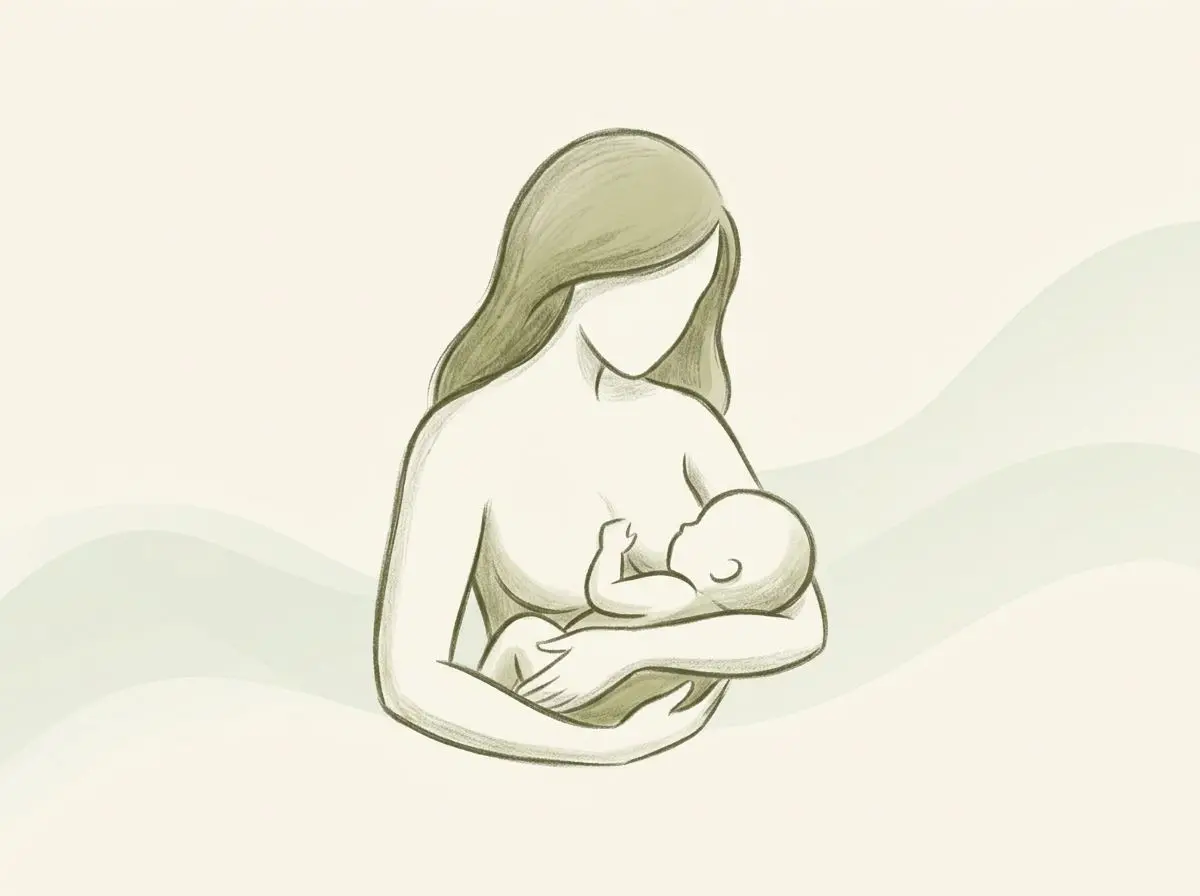
The lactational amenorrhea method (LAM) uses exclusive breastfeeding to suppress ovulation after childbirth. Frequent nursing keeps prolactin high, which suppresses the hormones that trigger ovulation and the return of menstrual cycles.

How well it works

LAM is over 98% effective when all three criteria are met: your baby is under six months old, you are fully or nearly fully breastfeeding, and your periods have not returned. If any of these criteria change, you need to switch to another method — and because ovulation can return before your first postpartum period, do not wait for a period to make the switch.

Where to get it

LAM is free and has no hormones or devices. It does not protect against STIs. Lactation consultants can help you establish and maintain the breastfeeding pattern needed for LAM to work. You can also search our provider directory for clinics near you.