FDA Cleared
Barrier Method

Cervical Cap

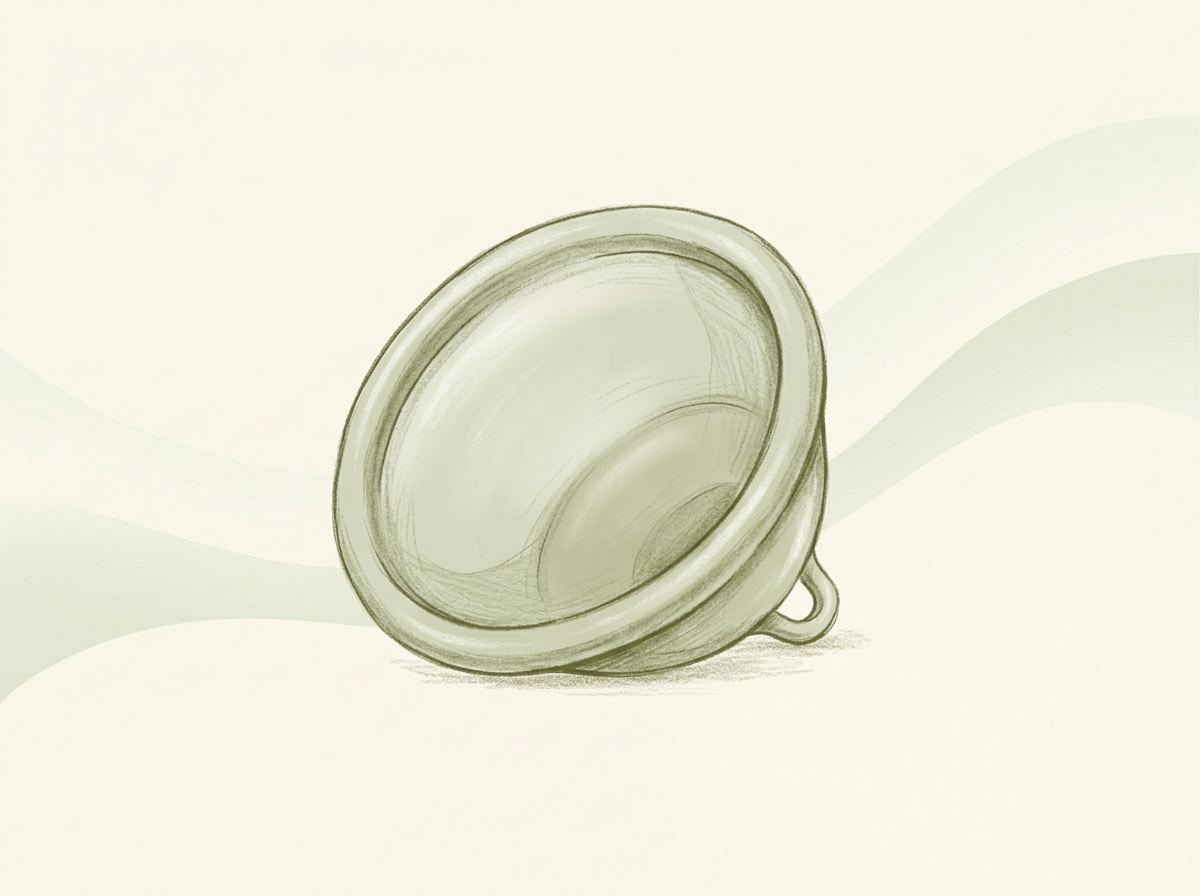
A small silicone cap that fits over the cervix by suction, used with spermicide before sex.

Last verified: · Updated:

Method at a Glance

EffectivenessLeast effective
DurationReusable for 2 years (replace every 2 years or sooner if damaged)
Cost$73–$97
ReversibilityReversible
STI ProtectionNo
How you get itHybrid (Fitting or Ship) · Prescription required
Available Products

1 product in this category

Specific branded items that use this method. Compare manufacturer details, active ingredients, and regulatory status.

The details

What the evidence says

How well it works, what to watch for, who should avoid it, and the studies behind it.

How well it works

Least effective

Least effective: under 90 out of 100 people successfully prevent pregnancy per year.

Effectiveness varies by product and parity. The Prentif cavity-rim cap had a first-year pregnancy risk of about 11% in an FDA-approved study (PMID 2664609); the first-generation FemCap had a 6-month cumulative pregnancy rate of 13.5% (PMID 12519602). Older cap designs had higher typical-use failure. Because product and parity matter, no single percentage captures the range.

Cost & insurance

$73–$97

Device only (FemCap, reusable up to 2 years, three sizes by pregnancy history); US retail $73-$97 as of 2026 (SingleCare, Rx.com, manufacturer site $90). Prescription and spermicide are extra. Prices vary, so confirm with your pharmacy or clinic.

Insurance CoverageUsually

Duration & reversibility

Lasts forReusable for 2 years (replace every 2 years or sooner if damaged)
Reversibility
Reversible
STI ProtectionNo

The science

How it works in the body

A small silicone cap fits snugly over the cervix and stays in place by suction, blocking sperm from entering the uterus. Used with spermicide inside the cap.

Regulatory status & access

StatusFDA Cleared
Used forBirth control
How you get itHybrid (Fitting or Ship) · Prescription required
PrescriptionRequired

Side effects

  • Vaginal irritation from spermicide
  • Discomfort if not fitted correctly
  • Unusual vaginal discharge if left in too long

Who shouldn't use this

  • Cervical anomaly preventing fit(An atypically shaped uterus that prevents correct placement)
  • Active pelvic infection(Ongoing pelvic or vaginal infections)
  • Sensitivity to silicone or spermicide(An allergy or sensitivity to a material used in a device or barrier)
  • Inability to insert or remove reliably(The method requires reliable technique; inability to use it correctly reduces effectiveness)

Clinical guidelines

CDC

U.S. MEC Category 1 for nulliparous users; Category 2 for parous users; Category 3 for persons with HIV infection; Category 4 for persons at high risk of HIV infection when used with spermicide

View Guideline
The full picture

What to know about Cervical Cap

What it is

The cervical cap is a small silicone barrier that fits directly over the cervix and stays in place by suction. You apply spermicide inside the cap before inserting it, then leave it in place for at least six hours after sex; it can stay in place for up to 48 hours. Cervical caps are available by prescription in the United States.

How well it works

Cervical caps are less effective for people who have given birth vaginally because the cervix changes shape after childbirth. Effectiveness varies substantially by product and parity: in an FDA-approved study, the Prentif cavity-rim cap had a first-year pregnancy risk of about 11%, while the first-generation FemCap had a 6-month cumulative pregnancy rate of 13.5%.

How to use it

You need a prescription, which you can get from a clinician or through a telehealth service — the cap is then shipped to you. The right size is chosen from your pregnancy history, so an in-person fitting is not required. The cap is reusable for up to two years with proper care. Check our provider directory for clinics near you that prescribe cervical caps.