FDA Approved
Barrier Method

Internal Condom

A soft pouch worn inside the vagina that blocks sperm and protects against STIs, available by prescription.

Last verified: · Updated:

Method at a Glance

Effectiveness

79 out of 100 people successfully prevent pregnancy in a year.

Typical use effectiveness rate.

DurationSingle use
Cost$0–$4
/per unit
ReversibilityReversible
STI ProtectionYes
How you get itTelehealth Prescription
Available Products

1 product in this category

Specific branded items that use this method. Compare manufacturer details, active ingredients, and regulatory status.

The details

What the evidence says

How well it works, what to watch for, who should avoid it, and the studies behind it.

How well it works

79%(perfect use: 95%)

Least effective: under 90 out of 100 people successfully prevent pregnancy per year.

How was this measured?

First-year failure rates are 21% with typical use and 5% with perfect use, so internal condoms are 79% and 95% effective.

Cost & insurance

$0–$4/per unit

Per condom, single-use FC2 internal condom. Covered by most insurance plans for as little as $0 with a prescription under the ACA contraceptive mandate; without insurance, around $2-$4 per condom through clinics and public health programs, and pharmacy cash prices can be higher.

Insurance CoverageUsually

Duration & reversibility

Lasts forSingle use
Reversibility
Reversible
STI ProtectionProtects

The science

How it works in the body

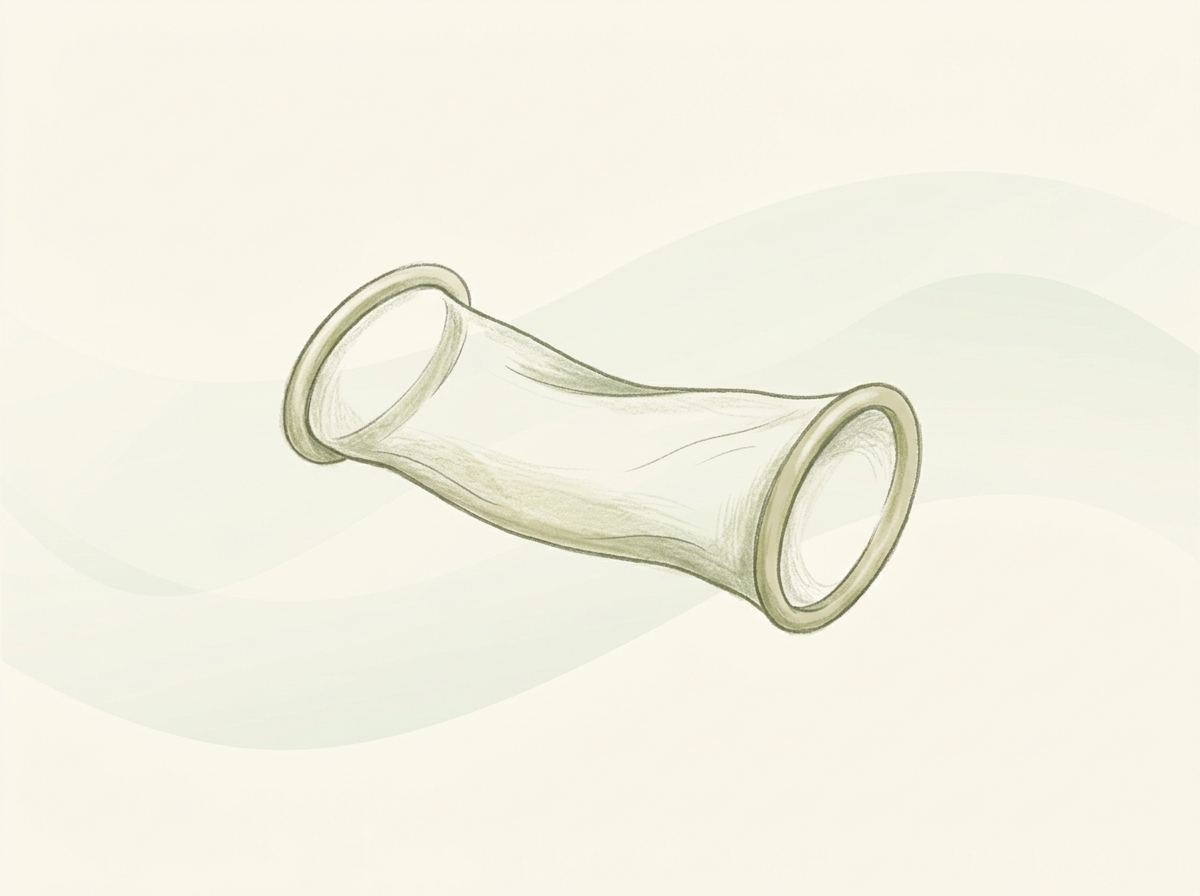
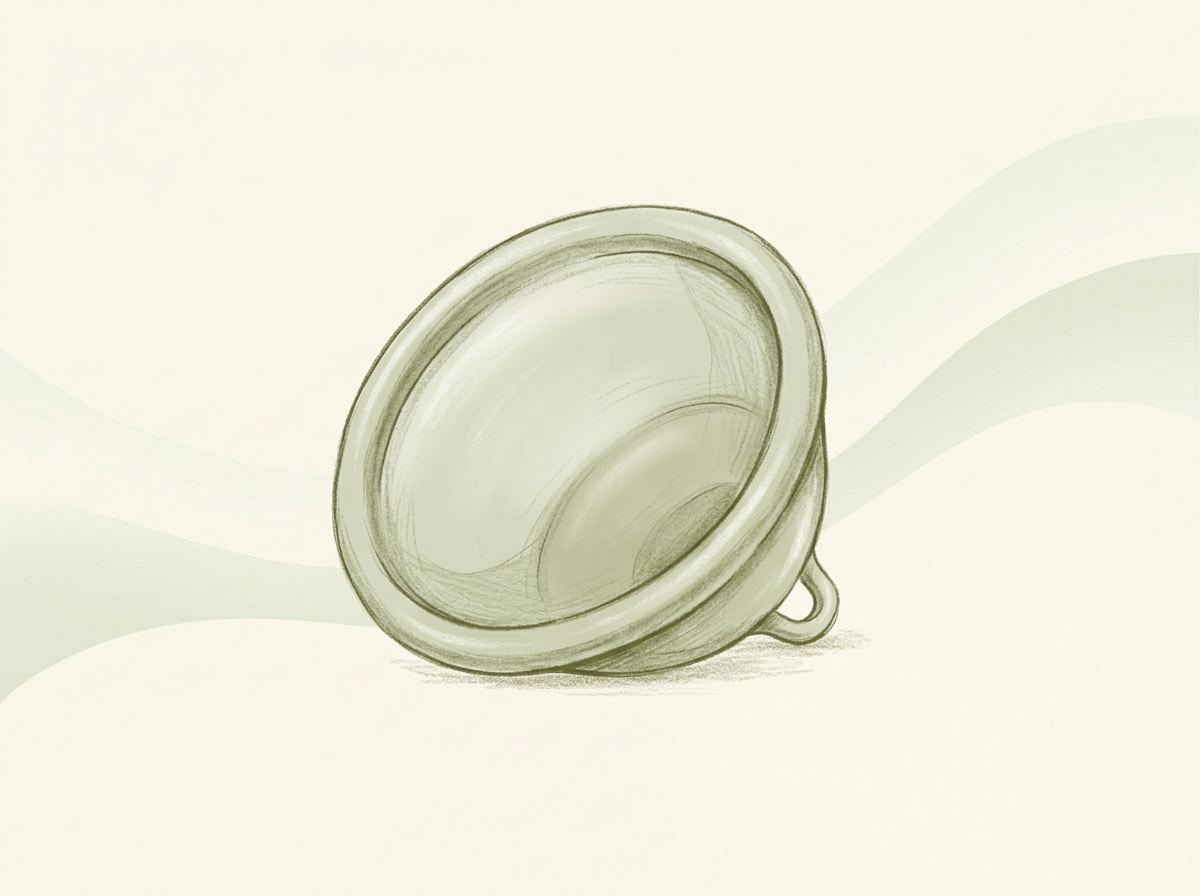
A soft, loose-fitting nitrile pouch lines the vagina and collects semen. The inner ring anchors it at the cervix and the outer ring stays outside the vaginal opening.

Regulatory status & access

StatusFDA Approved
Used forBirth control
How you get itTelehealth Prescription
PrescriptionRequired

Side effects

  • Mild irritation or discomfort
  • Noise during use if not positioned correctly
  • Slippage with incorrect insertion

Who shouldn't use this

  • Sensitivity to nitrile (rare)(An allergy or sensitivity to a material used in a device or barrier)

Clinical guidelines

CDC

U.S. MEC Category 1 (no restriction); reduces STI transmission risk

View Guideline
WHO

Dual protection method that lowers the risk of pregnancy and STIs

View Guideline
The full picture

What to know about Internal Condom

What it is

The internal condom is a soft, loose-fitting pouch that lines the vagina and collects semen. It has an inner ring that anchors at the cervix and an outer ring that stays outside the vaginal opening. You can insert it up to eight hours before sex. It can also be used for anal sex — the FDA’s 2018 reclassification renamed the device from “female condom” to “internal condom” in recognition of that use.

How it works

The internal condom is made of nitrile, so it is safe for people with latex allergies and can be used with oil-based lubricants. It lowers the risk of sexually transmitted infections. Do not use an internal condom and an external condom at the same time, since friction can cause tearing.

Where to get it

Internal condoms require a prescription in the United States. The FC2 internal condom has been sold by prescription since 2018 — you can get a prescription from a clinic or through the manufacturer’s telehealth partner, then fill it at a local or online pharmacy. With insurance, it is often covered at no cost under the ACA contraceptive mandate; without insurance, clinics and public health programs distribute it at low cost. You can also search our provider directory for clinics near you.