Compare
Copper IUD vs Vaginal pH Modulator
A side-by-side comparison of two birth control methods — efficacy, cost, how they work, and who shouldn't use them.
Last verified Updated
Side-by-side comparison
- Copper IUD A small copper device placed in the uterus that works for up to 10 years and is over 99% effective.
- Vaginal pH Modulator A prescription gel used before sex that keeps vaginal pH acidic to disable sperm.
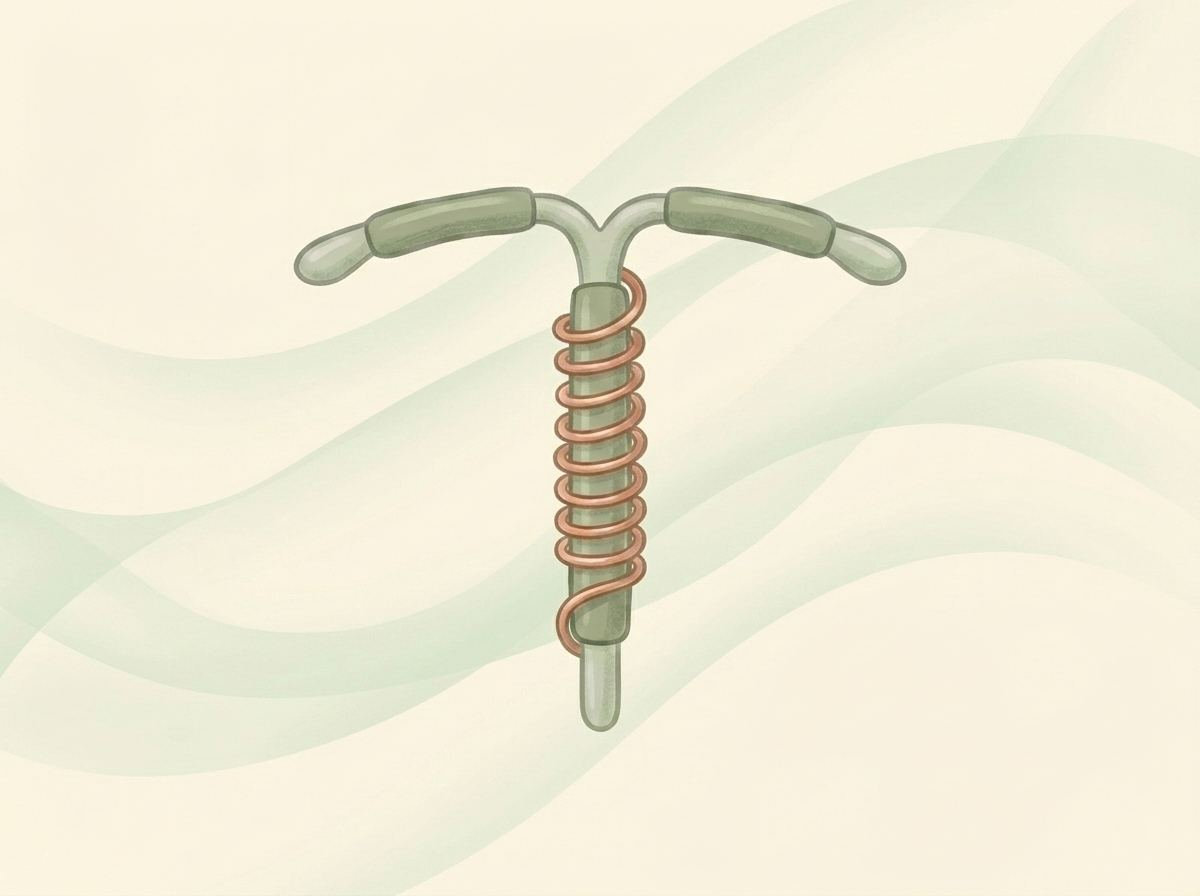
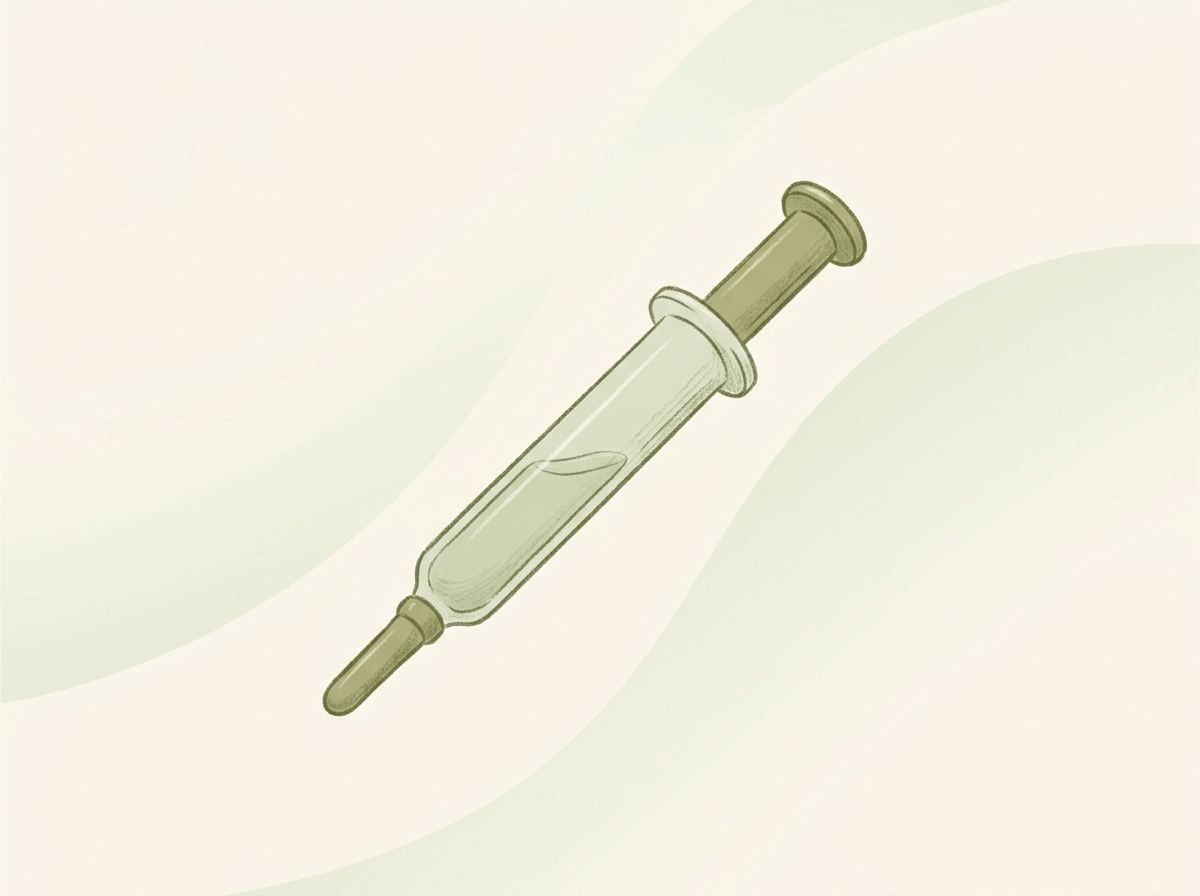
| Method | Copper IUD A small copper device placed in the uterus that works for up to 10 years and is over 99% effective. | Vaginal pH Modulator A prescription gel used before sex that keeps vaginal pH acidic to disable sperm. |
|---|---|---|
| Efficacy | Copper IUD 99.2% typical use Most effective: over 99 out of 100 people successfully prevent pregnancy per year. | Vaginal pH Modulator 86.3% typical use, over 7 menstrual cycles Measured over 7 menstrual cycles, not over a year, so it cannot be compared directly with first-year rates. |
| Cost | Copper IUD $0–$1,167 Insurance: Usually | Vaginal pH Modulator $0–$362 per package Insurance: Usually |
| Duration | Copper IUD Up to 10 years | Vaginal pH Modulator Single use (one dose up to 1 hour before each act of sex) |
| Reversibility | Copper IUD Reversible | Vaginal pH Modulator Reversible |
| STI protection | Copper IUD No | Vaginal pH Modulator No |
| How it works | Copper IUD Releases copper into the uterus, which interferes with sperm movement and fertilization and may prevent implantation. | Vaginal pH Modulator A gel containing lactic acid, citric acid, and potassium bitartrate keeps vaginal pH in the normal acidic range even in the presence of semen, which reduces sperm motility. |
| Prescription | Copper IUD Required In-Person Procedure | Vaginal pH Modulator Required Telehealth Prescription |
| Side effects | Copper IUD
| Vaginal pH Modulator
|
| Who shouldn't use this | Copper IUD
| Vaginal pH Modulator
|
Key differences
Vaginal pH Modulator's effectiveness was measured over 7 menstrual cycles, not over a year, so it is not compared with Copper IUD's. How long it lasts: Copper IUD, up to 10 years; Vaginal pH Modulator, single use (one dose up to 1 hour before each act of sex). Copper IUD: costs $0–$1,167. Vaginal pH Modulator: costs $0–$362 per package.