FDA Approved
Chemical Barrier

Vaginal pH Modulator

A prescription gel used before sex that keeps vaginal pH acidic to disable sperm.

Last verified: · Updated:

Method at a Glance

Effectiveness

86 out of 100 people successfully prevent pregnancy in a year.

Typical use effectiveness rate.

DurationSingle use (effective for 1 hour)
Cost$0–$400
/per package
ReversibilityReversible
STI ProtectionNo
How you get itTelehealth Prescription
Available Products

1 product in this category

Specific branded items that use this method. Compare manufacturer details, active ingredients, and regulatory status.

Providers

371 providers in this category

Clinics and telehealth services in our directory that offer this method.

Planned Parenthood - Albany Health Center

Albany, NY 12206

Family Planning Clinic

Hybrid Medicaid

Planned Parenthood - Alhambra Health Center

Alhambra, CA 91801

Family Planning Clinic

Hybrid Medicaid

Planned Parenthood - Allentown Health Center

Allentown, PA 18101

Family Planning Clinic

In-Person Medicaid

Planned Parenthood - Anchorage Health Center

Anchorage, AK 99508

Family Planning Clinic

Hybrid Medicaid
The details

What the evidence says

How well it works, what to watch for, who should avoid it, and the studies behind it.

How well it works

86.3%

Least effective: under 90 out of 100 people successfully prevent pregnancy per year.

How was this measured?

AMPOWER Phase 3 (n=1384): 13.7% 7-cycle cumulative pregnancy rate with typical use (86.3% effective). The primary peer-reviewed publication does not report perfect-use efficacy.

Cost & insurance

$0–$400/per package

Without insurance, the cash price for a 12-pack of single-use applicators is about $360-$400 (Drugs.com price guide, July 2026). With insurance or manufacturer savings, it can be free.

Insurance CoverageUsually

Duration & reversibility

Lasts forSingle use (effective for 1 hour)
Reversibility
Reversible
STI ProtectionNo

The science

Clinical classLactic acid/citric acid/potassium bitartrate vaginal gel
How it works in the body

A gel containing lactic acid, citric acid, and potassium bitartrate maintains an acidic vaginal pH that disables sperm and reduces their motility. It also acts as a physical barrier to sperm movement.

Regulatory status & access

StatusFDA Approved
Used forBirth control
How you get itTelehealth Prescription
PrescriptionRequired

Side effects

  • Vaginal burning or irritation
  • Increased risk of urinary tract infection
  • Rare allergic reaction

Who shouldn't use this

  • Recurrent UTIs or urinary tract abnormalities (FDA label says avoid use)(Frequent urinary tract infections that some products may worsen)

Clinical guidelines

CDC

U.S. MEC Category 1 (no restriction for most users)

View Guideline
The full picture

What to know about Vaginal pH Modulator

How it works

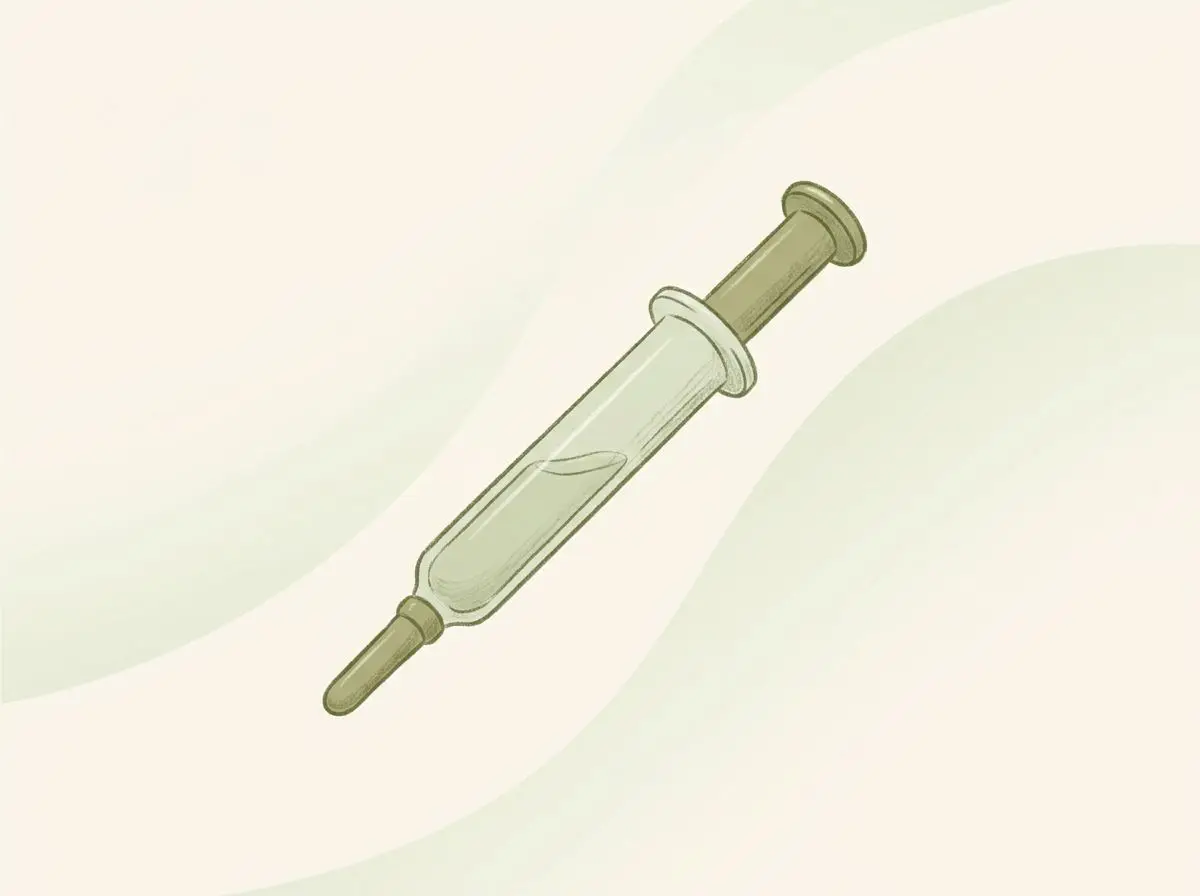
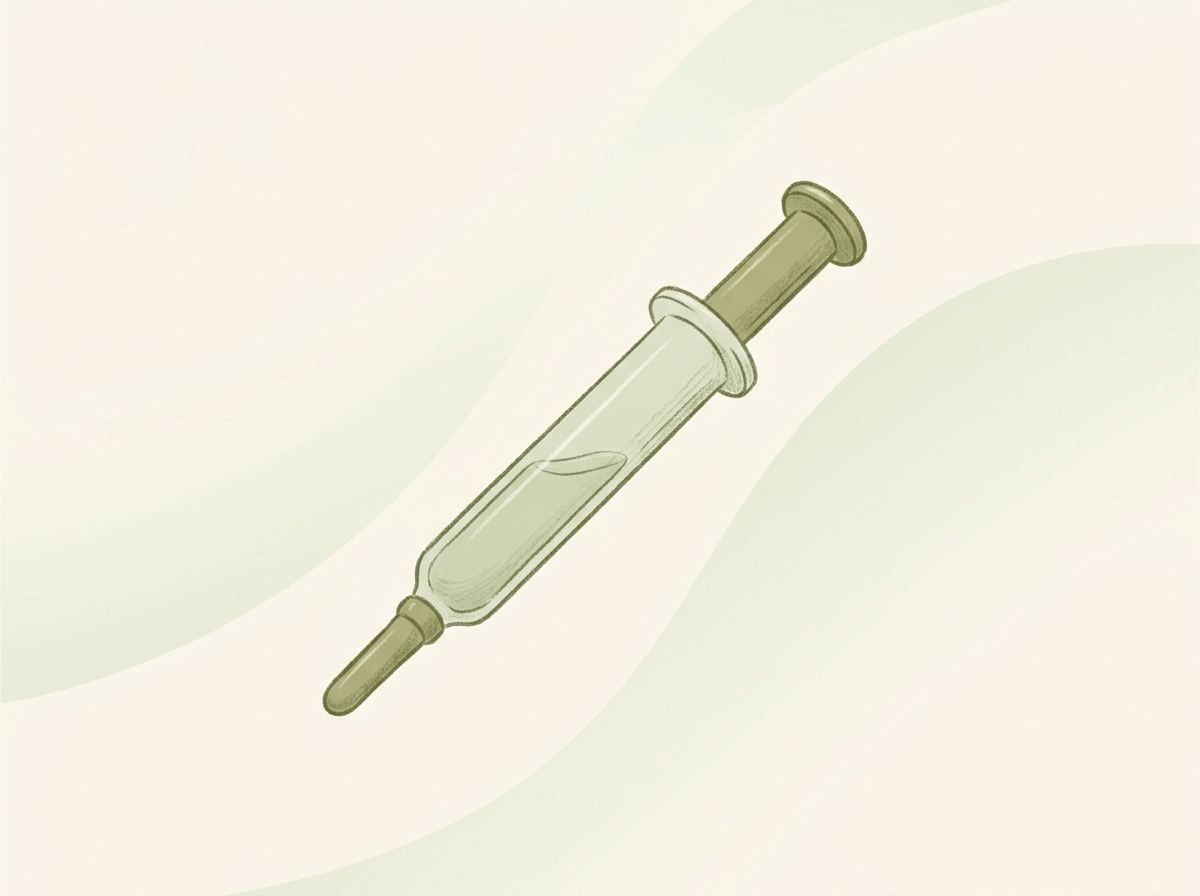
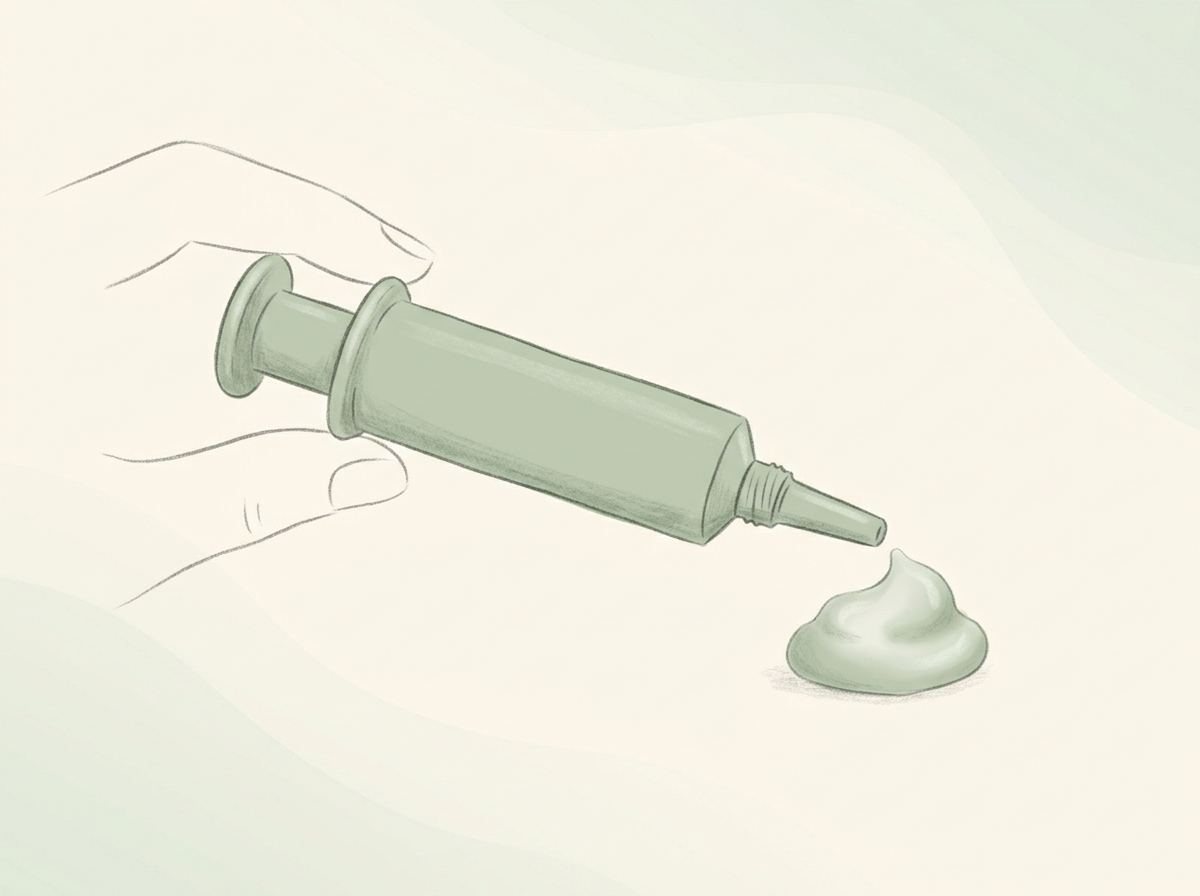
Vaginal pH modulators are prescription gels that keep the vagina acidic enough to disable sperm. The available FDA-approved gel contains lactic acid, citric acid, and potassium bitartrate. You insert it with a pre-filled applicator up to one hour before each act of vaginal sex, and each act needs its own dose — it is not effective if applied after sex. It lowers pH, reduces sperm motility, and forms a physical barrier.

Research and approval status

One FDA-approved vaginal pH modulator is available. In the AMPOWER Phase 3 trial, it was 86.3% effective with typical use over seven cycles. The primary publication does not report perfect-use efficacy. It does not protect against STIs.

Where to get it

You need a prescription, which you can get through telehealth or a local clinician. You use the gel on demand, so there is no daily routine. Some users report vaginal burning or an increased risk of urinary tract infections. Check our provider directory for clinics near you that prescribe this gel.
The studies

Clinical trials behind Vaginal pH Modulator

The research that backs Vaginal pH Modulator, with links to the public trial records.

Phase 3Completed

AMPOWER (NCT03243305), phase 3 single-arm open-label contraception trial

ClinicalTrials.gov: NCT03243305