DiaphragmvsSponge
A side-by-side comparison of two birth control methods — efficacy, cost, how they work, and who shouldn't use them.
Side-by-side comparison
| Method | 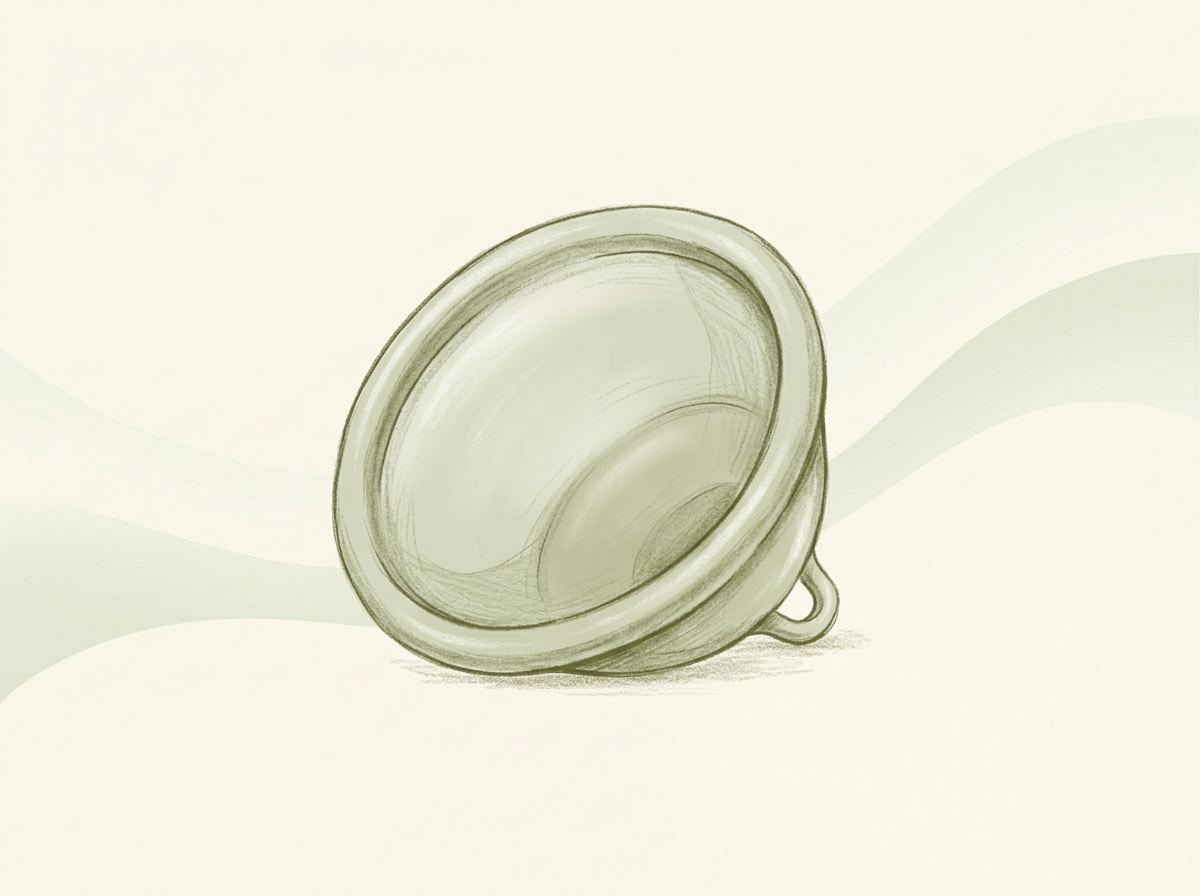 DiaphragmA reusable silicone dome that covers the cervix to block sperm, used with spermicide each time you have sex. | 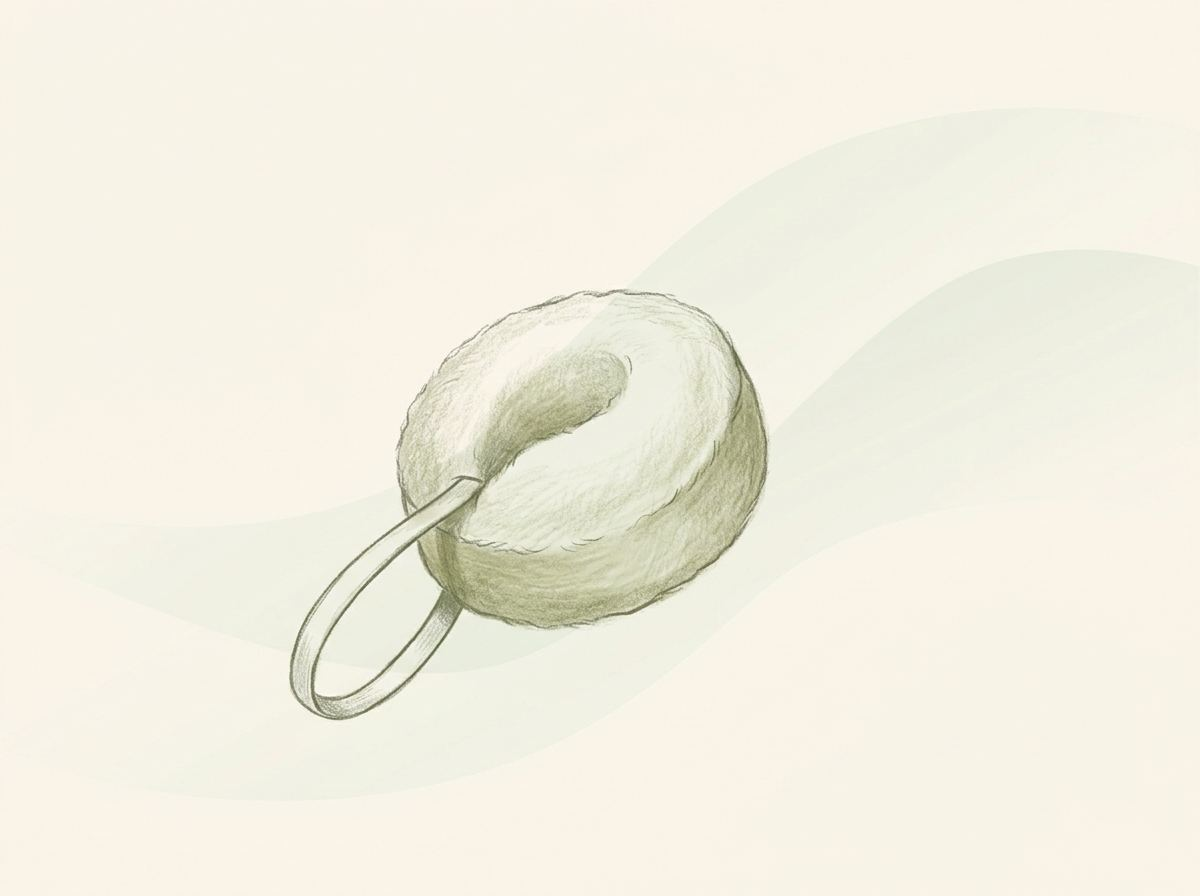 SpongeA soft foam disc placed deep in the vagina before sex. It covers the cervix and contains spermicide. |
|---|---|---|
| Efficacy | 83% typical use Least effective: under 90 out of 100 people successfully prevent pregnancy per year. | Least effective see details Least effective: under 90 out of 100 people successfully prevent pregnancy per year. |
| Cost | $60–$112 Insurance: Usually | $15–$20 /per package Insurance: No |
| Duration | Reusable for 1-2 years (replace every 1-2 years or sooner if damaged) | Single use (can be left in place up to 24 hours and for multiple acts of sex) |
| Reversibility | Reversible | Reversible |
| STI Protection | No | No |
| How it works | A reusable silicone dome covers the cervix to block sperm from entering the uterus. Used with spermicide for added effectiveness. | A polyurethane foam disc impregnated with spermicide is placed over the cervix before sex. The spermicide kills or disables sperm and the physical barrier blocks sperm from entering the uterus. |
| Prescription | Required Prescription required | OTC No prescription / OTC |
| Side effects |
|
|
| Who shouldn't use this |
|
|
Key differences
Diaphragm duration: Reusable for 1-2 years (replace every 1-2 years or sooner if damaged). Sponge duration: Single use (can be left in place up to 24 hours and for multiple acts of sex). Diaphragm requires a prescription; Sponge does not. Diaphragm: costs $60–$112. Sponge: costs $15–$20 per package.