FDA Approved
Barrier Method

Sponge

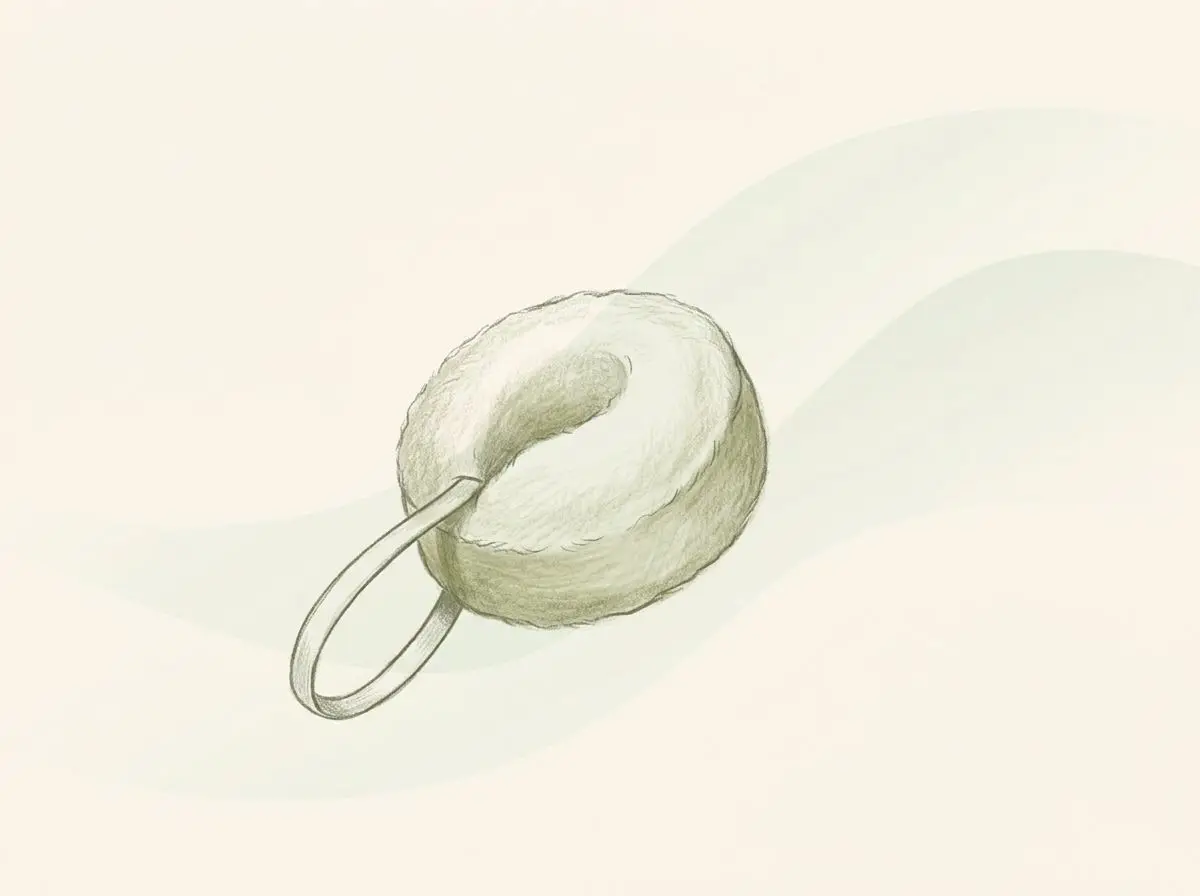
A soft foam disc placed deep in the vagina before sex. It covers the cervix and contains spermicide.

Last verified: · Updated:

Method at a Glance

EffectivenessLeast effective
DurationSingle use (can be left in place up to 24 hours and for multiple acts of sex)
Cost$15–$20
/per package
ReversibilityReversible
STI ProtectionNo
How you get itOver-the-Counter · No prescription
The details

What the evidence says

How well it works, what to watch for, who should avoid it, and the studies behind it.

How well it works

Least effective

Least effective: under 90 out of 100 people successfully prevent pregnancy per year.

Effectiveness varies by parity. Typical-use failure is about 14% per year for nulliparous users (86% effective) and about 27% for parous users (73% effective); perfect-use failure is about 9% (91% effective) for nulliparous users and 20% (80% effective) for parous users. Because parity matters, no single percentage captures the range.

Cost & insurance

$15–$20/per package

A 3-pack of spermicide sponges typically costs about $15-$20 in the United States. Pricing varies by market and active ingredient (nonoxynol-9 or benzalkonium chloride).

Insurance CoverageNo

Duration & reversibility

Lasts forSingle use (can be left in place up to 24 hours and for multiple acts of sex)
Reversibility
Reversible
STI ProtectionNo

The science

How it works in the body

A polyurethane foam disc impregnated with spermicide is placed over the cervix before sex. The spermicide kills or disables sperm and the physical barrier blocks sperm from entering the uterus.

Regulatory status & access

StatusFDA Approved
Used forBirth control
How you get itOver-the-Counter · No prescription
PrescriptionOTC

Side effects

  • Vaginal irritation or dryness
  • Increased risk of urinary tract infection
  • Rare allergic reaction

Who shouldn't use this

  • Allergy to nonoxynol-9, benzalkonium chloride, or other spermicide ingredients(Irritation or allergy to spermicide chemicals such as nonoxynol-9)
  • History of toxic shock syndrome(A previous episode of toxic shock syndrome increases risk with devices left in place too long)
  • Active vaginal infection(Ongoing pelvic or vaginal infections)
  • Inability to insert or remove reliably(The method requires reliable technique; inability to use it correctly reduces effectiveness)
  • High risk of HIV exposure (frequent nonoxynol-9 use may increase vaginal irritation; CDC cautions)(Irritation or allergy to spermicide chemicals such as nonoxynol-9)

Clinical guidelines

CDC

U.S. MEC 2024 does not classify the sponge separately; spermicide (used with the sponge) is Category 1 for most users, Category 3 for persons with HIV infection, and Category 4 for persons at high risk of HIV exposure when containing nonoxynol-9

View Guideline
The full picture

What to know about Sponge

What it is

The contraceptive sponge is a soft foam disc that is placed deep inside the vagina before sex. It contains spermicide and has a fabric loop for removal. It works as a physical barrier over the cervix and releases spermicide to kill or disable sperm.

How well it works

Effectiveness depends heavily on whether you have given birth vaginally. Typical-use failure is roughly 14% per year for people who have never given birth vaginally and about 27% for those who have. With perfect use, failure is lower, but the sponge is still one of the less effective methods.

How to use it

You wet the sponge with water to activate the spermicide, then insert it deep into the vagina so it covers the cervix. It can be left in place for up to 24 hours and used for multiple acts of sex during that time. You must leave it in place for at least 6 hours after the last act of sex, then pull it out by the loop.

Side effects and cautions

A common side effect is vaginal irritation or dryness. Spermicide sponges are sold over the counter in the United States. The widely available spermicide sponge in the US contains nonoxynol-9. A benzalkonium-chloride sponge is sold in some European countries. Frequent use of nonoxynol-9 spermicide can irritate vaginal tissue, which may increase the risk of HIV transmission if exposed. The CDC assigns nonoxynol-9 spermicide a higher risk category for people at high risk of HIV infection.

Where to get it

You can buy the sponge over the counter at pharmacies, grocery stores, and online without a prescription. Check our provider directory for clinics near you.