Compare
Breastfeeding Birth Control vs Internal Condom
A side-by-side comparison of two birth control methods — efficacy, cost, how they work, and who shouldn't use them.
Last verified Updated
Side-by-side comparison
- Breastfeeding Birth Control A natural postpartum method (lactational amenorrhea method, LAM) that relies on exclusive breastfeeding to suppress ovulation, effective for up to 6 months.
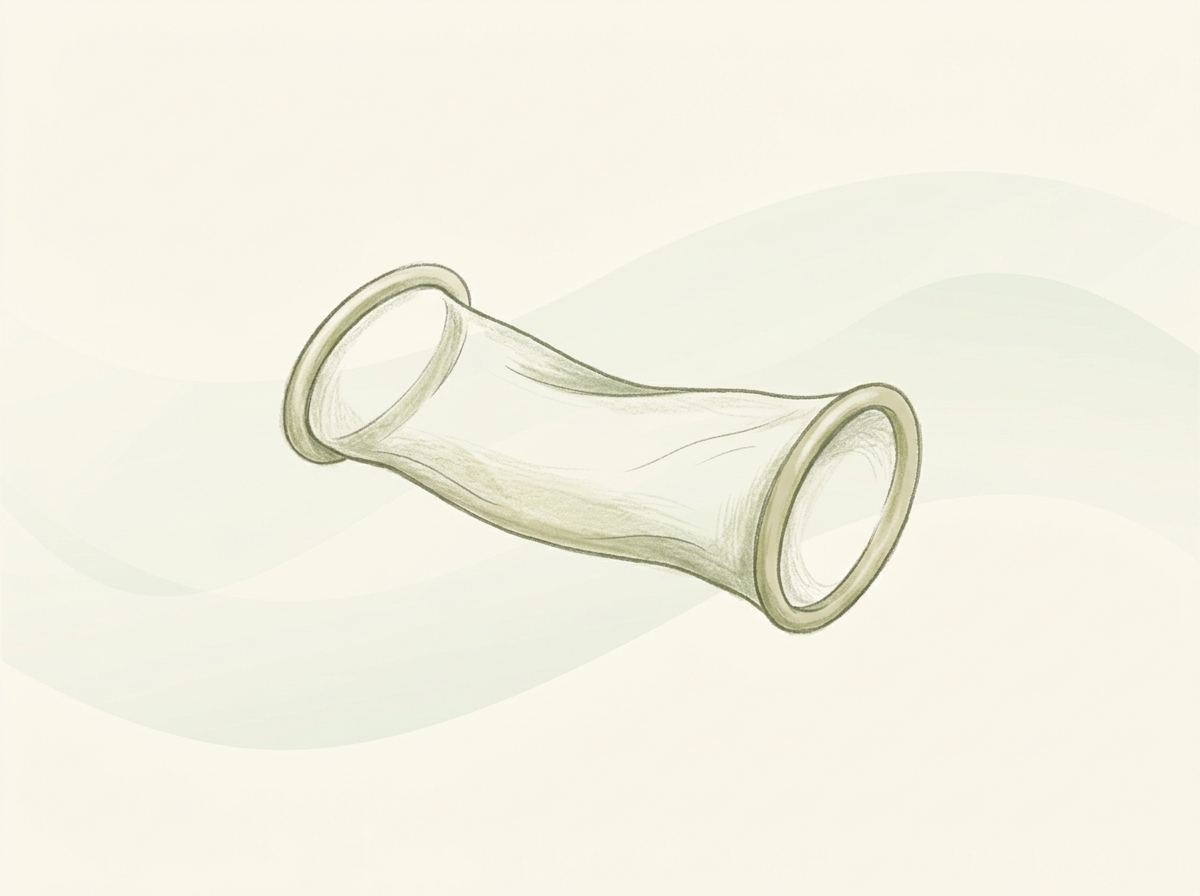
- Internal Condom A soft pouch worn inside the vagina that blocks sperm and lowers the risk of STIs, usually obtained with a prescription.

| Method | Breastfeeding Birth Control A natural postpartum method (lactational amenorrhea method, LAM) that relies on exclusive breastfeeding to suppress ovulation, effective for up to 6 months. | Internal Condom A soft pouch worn inside the vagina that blocks sperm and lowers the risk of STIs, usually obtained with a prescription. |
|---|---|---|
| Efficacy | Breastfeeding Birth Control 98% typical use, in the first 6 months Measured in the first 6 months, not over a year, so it cannot be compared directly with first-year rates. | Internal Condom 79% typical use Least effective: under 90 out of 100 people successfully prevent pregnancy per year. |
| Cost | Breastfeeding Birth Control $0 | Internal Condom $0–$3 per unit Insurance: Usually |
| Duration | Breastfeeding Birth Control Up to 6 months postpartum | Internal Condom Single use |
| Reversibility | Breastfeeding Birth Control Reversible | Internal Condom Reversible |
| STI protection | Breastfeeding Birth Control No | Internal Condom Yes |
| How it works | Breastfeeding Birth Control Full or nearly full breastfeeding prevents the ovaries from releasing eggs. Frequent suckling suppresses the brain's pulses of GnRH and LH, the hormones that drive ovulation. | Internal Condom A soft, loose-fitting nitrile pouch lines the vagina and collects semen. The inner ring anchors it at the cervix and the outer ring stays outside the vaginal opening. |
| Prescription | Breastfeeding Birth Control Not required Self-Directed | Internal Condom Required Telehealth Prescription |
| Side effects | Breastfeeding Birth Control None reported | Internal Condom
|
| Who shouldn't use this | Breastfeeding Birth Control
| Internal Condom None reported |
Key differences
Breastfeeding Birth Control's effectiveness was measured in the first 6 months, not over a year, so it is not compared with Internal Condom's. How long it lasts: Breastfeeding Birth Control, up to 6 months postpartum; Internal Condom, single use. STI protection: only with Internal Condom. A prescription is needed for Internal Condom, not for Breastfeeding Birth Control. Breastfeeding Birth Control: costs $0. Internal Condom: costs $0–$3 per unit.