Compare
Fertility Awareness vs Internal Condom
A side-by-side comparison of two birth control methods — efficacy, cost, how they work, and who shouldn't use them.
Last verified Updated
Side-by-side comparison
- Fertility Awareness Tracking body signs like temperature and cervical mucus to identify fertile days and avoid unprotected sex then.
- Internal Condom A soft pouch worn inside the vagina that blocks sperm and lowers the risk of STIs, usually obtained with a prescription.

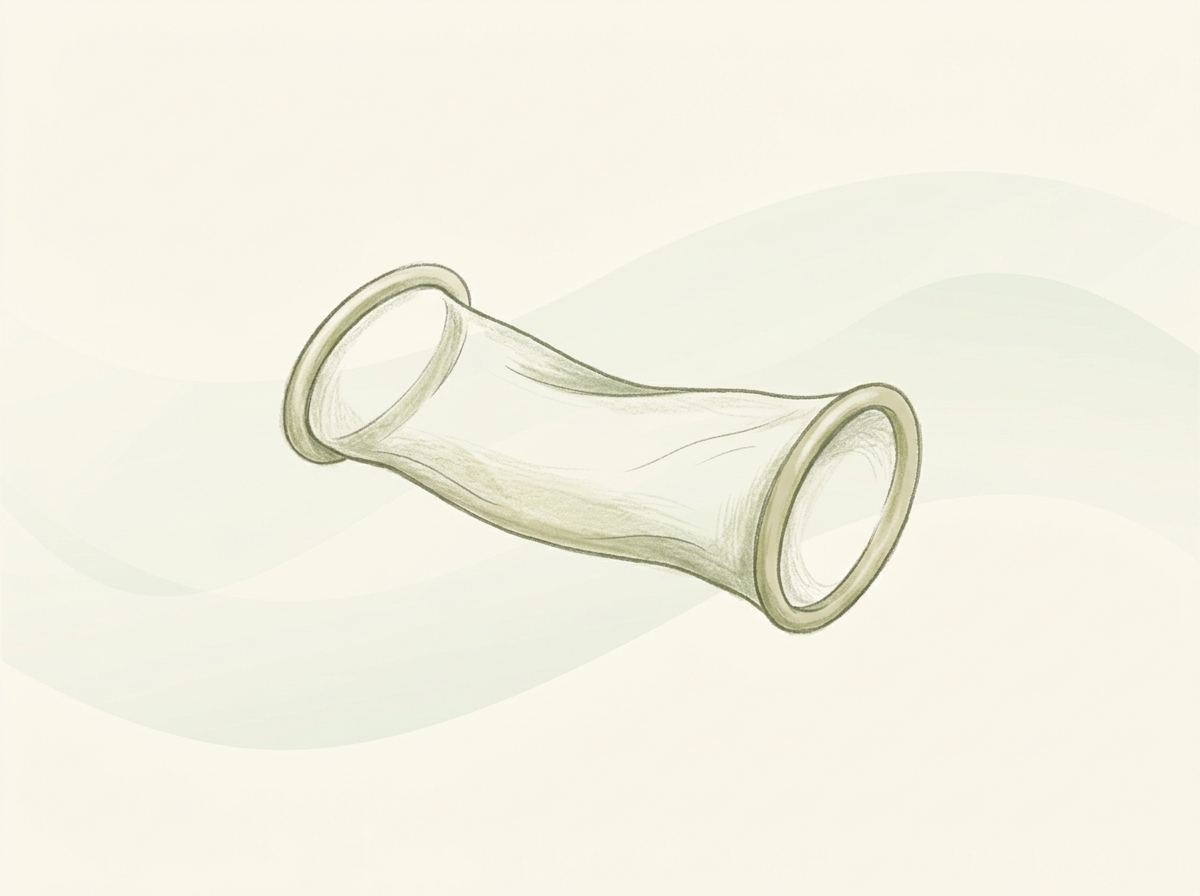
| Method | Fertility Awareness Tracking body signs like temperature and cervical mucus to identify fertile days and avoid unprotected sex then. | Internal Condom A soft pouch worn inside the vagina that blocks sperm and lowers the risk of STIs, usually obtained with a prescription. |
|---|---|---|
| Efficacy | Fertility Awareness Least effective | Internal Condom 79% typical use Least effective: under 90 out of 100 people successfully prevent pregnancy per year. |
| Cost | Fertility Awareness $0–$20 Insurance: Varies | Internal Condom $0–$3 per unit Insurance: Usually |
| Duration | Fertility Awareness Ongoing daily tracking | Internal Condom Single use |
| Reversibility | Fertility Awareness Reversible | Internal Condom Reversible |
| STI protection | Fertility Awareness No | Internal Condom Yes |
| How it works | Fertility Awareness Track basal body temperature, cervical mucus, and cycle length to identify the fertile window. Avoid unprotected sex or use backup contraception on fertile days. | Internal Condom A soft, loose-fitting nitrile pouch lines the vagina and collects semen. The inner ring anchors it at the cervix and the outer ring stays outside the vaginal opening. |
| Prescription | Fertility Awareness Not required Self-Directed | Internal Condom Required Telehealth Prescription |
| Side effects | Fertility Awareness None reported | Internal Condom
|
| Who shouldn't use this | Fertility Awareness
| Internal Condom None reported |
Key differences
How long it lasts: Fertility Awareness, ongoing daily tracking; Internal Condom, single use. STI protection: only with Internal Condom. A prescription is needed for Internal Condom, not for Fertility Awareness. Fertility Awareness: costs $0–$20. Internal Condom: costs $0–$3 per unit.