Internal CondomvsPill
A side-by-side comparison of two birth control methods — efficacy, cost, how they work, and who shouldn't use them.
Side-by-side comparison
| Method | 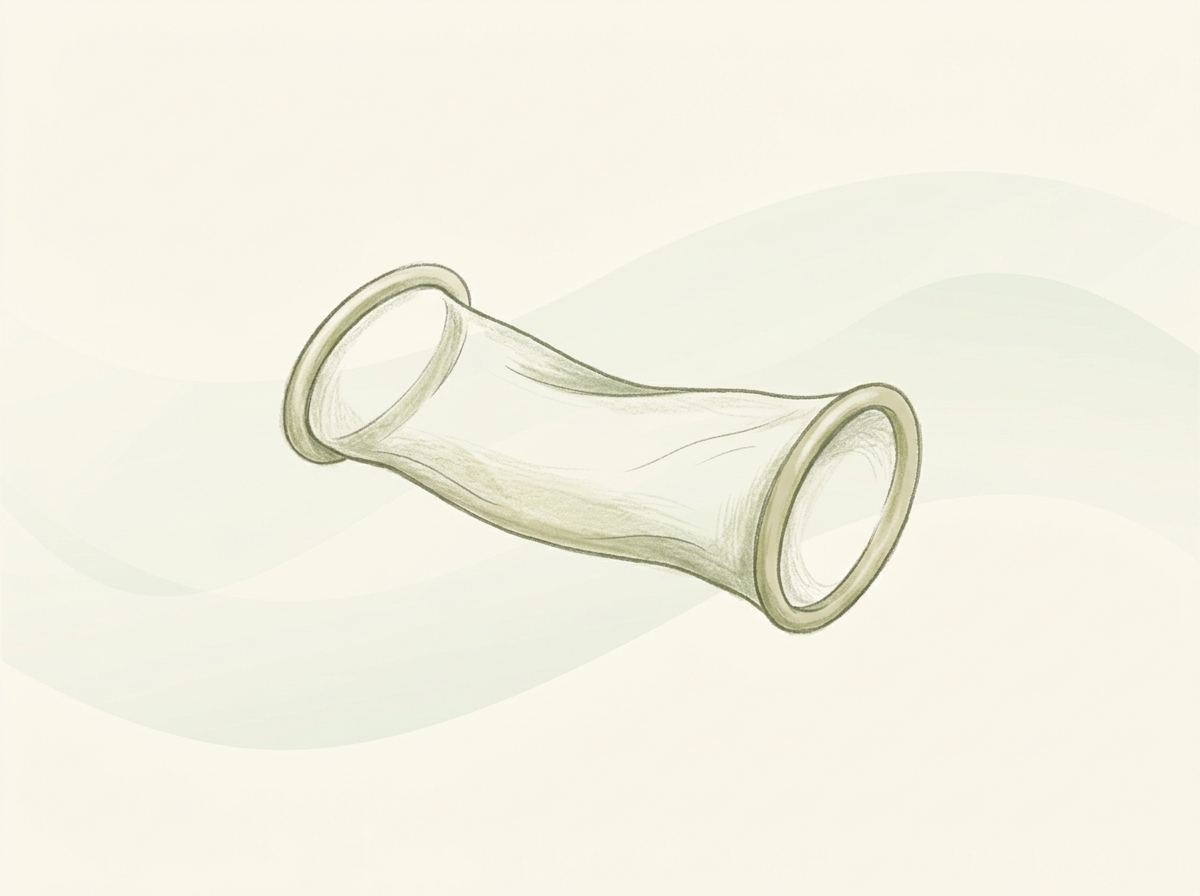 Internal CondomA soft pouch worn inside the vagina that blocks sperm and protects against STIs, available by prescription. | 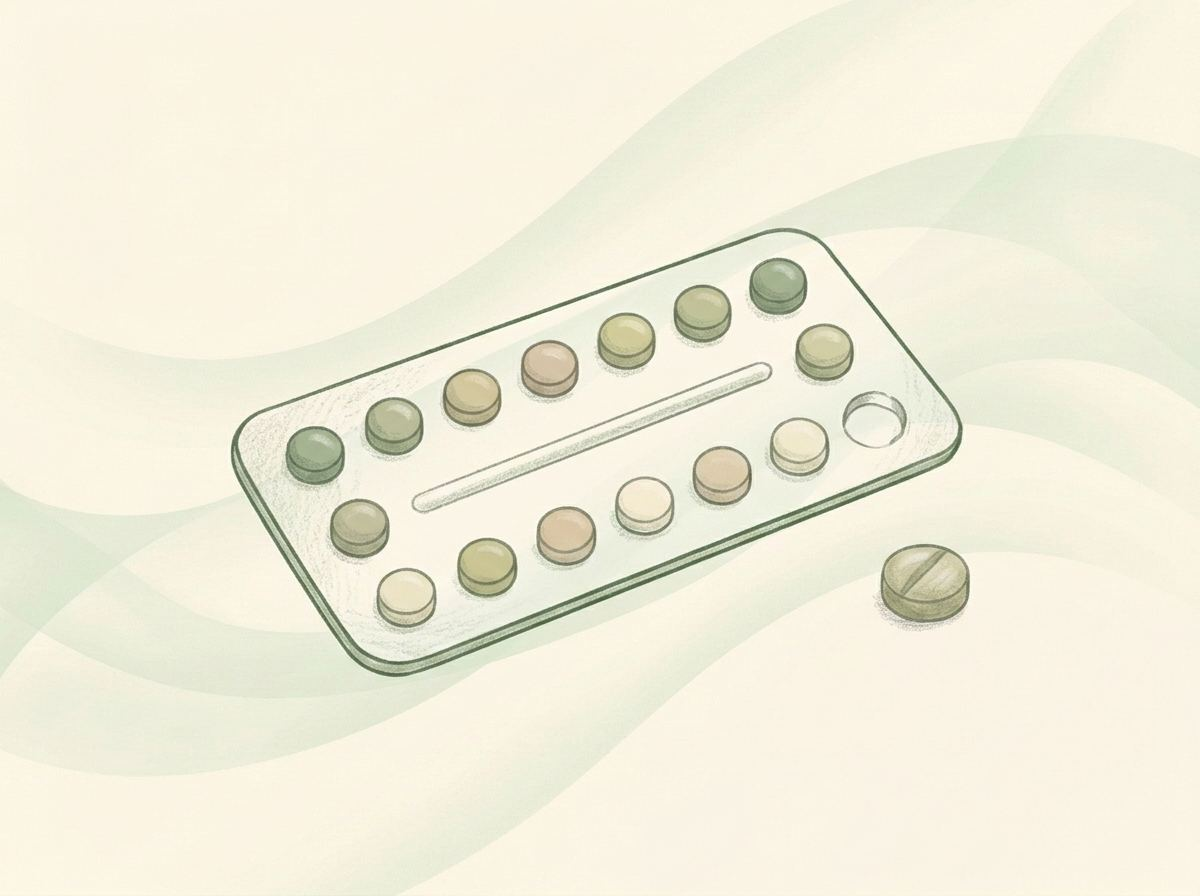 PillNo non-hormonal birth control pill is FDA-approved in the US. Ormeloxifene (centchroman) is approved and used in India. |
|---|---|---|
| Efficacy | 79% typical use Least effective: under 90 out of 100 people successfully prevent pregnancy per year. | Limited evidence see details Limited evidence: no verifiable efficacy data available. |
| Cost | $0–$4 /per unit Insurance: Usually | Contact provider Insurance: Varies |
| Duration | Single use | Weekly pill (ongoing) |
| Reversibility | Reversible | Reversible |
| STI Protection | Yes | No |
| How it works | A soft, loose-fitting nitrile pouch lines the vagina and collects semen. The inner ring anchors it at the cervix and the outer ring stays outside the vaginal opening. | Ormeloxifene (centchroman) is a selective estrogen receptor modulator (SERM) that prevents pregnancy by inhibiting implantation of a fertilized egg in the endometrium. It does not suppress ovulation and does not contain estrogen or progestin. It is not FDA-approved in the US. |
| Prescription | Required Prescription required | Required Prescription required |
| Side effects |
|
|
| Who shouldn't use this |
|
|
Key differences
Internal Condom duration: Single use. Pill duration: Weekly pill (ongoing). Only Internal Condom protects against STIs. Internal Condom: costs $0–$4 per unit. Pill: Contact provider.